
Chinese Names Explained // Structure, Meanings & Top Picks
Chinese names follow a surname-first structure: family name (1 character, usually) comes first, followed by a given name (typically 2 characters).
For example, in Jackie Chan’s Chinese name 成龙 (Chéng Lóng), 成 (Chéng) is the family name and 龙 (Lóng) is the given name.
Every character carries deliberate meaning, often chosen for auspiciousness, balance with the Chinese zodiac and five elements, or family tradition.
Intimidated and confused when it comes to reading and understanding Chinese Names? No idea where to start? You’ve come to exactly the right place.
Within 10 minutes you’ll be able to:
- Understand the story behind Chinese Names
- How to pick your own Chinese Name or better still…
- Generate your own Chinese name in seconds!
- Discover the most popular Chinese surnames
- Find out some popular boys and girls names in Chinese, or browse our quick-reference samples below
Popular Chinese Boy Names
| Name (汉字) | Pinyin | Meaning |
|---|---|---|
| 伟明 | Wěi Míng | Great and bright |
| 志强 | Zhì Qiáng | Ambitious and strong |
| 俊杰 | Jùn Jié | Handsome and outstanding |
| 浩然 | Hào Rán | Vast and noble |
Popular Chinese Girl Names
| Name (汉字) | Pinyin | Meaning |
|---|---|---|
| 美玲 | Měi Líng | Beautiful and delicate |
| 雨桐 | Yǔ Tóng | Rain and paulownia tree |
| 静怡 | Jìng Yí | Calm and joyful |
| 若曦 | Ruò Xī | Like the morning glow |
For the full lists, head to our dedicated Chinese boy names and Chinese girl names pages.
Chinese Names || What’s the Story
Chinese Names || What do they Mean?
Chinese Names || Changing your Name after Marriage
Chinese Names || How to Pick Your Chinese Name
Chinese Names || Chinese Boy Names
Chinese Names || Chinese Girl Names
Chinese Names || FAQs

Chinese names are unique, and sometimes a little odd sounding to a foreigner.
This is why Chinese people often have both a Chinese name and an English name. They will choose their English name themselves, or have it chosen for them at school.
Choosing your own name? Sounds like fun, right? See below for tips on how you can choose your own Chinese name for when you come to China!
Or even better, try it yourself right now.
Just enter your name and our generator will suggest a Chinese name based on sound and meaning. It takes about 10 seconds.
💡 TIP: The generator works best with one name at a time. Enter your first name for the most accurate result.
When you first see a Chinese name, it’s very easy to glance at Chinese and think…
“that’s way too complex for me”
but WAIT…!

Most expats in China struggle to memorise Chinese names.
I struggle with remembering English names too, but that’s a separate issue.
They are too long and complex to pronounce. In Hollywood movies, we see and hear of actors with names like Jackie Chan and Jet Li.
Their names are pretty and easy to remember.
But only a few people know their real names. Do you know their real names?
Jackie Chan is not his real Chinese Name?! Nope
Jackie Chan and Jet Li are actually called are Chéng Lóng (成龙) and Lǐ Liánjié (李连杰).

Being a Hollywood star or a famous businessman like Jack Ma (Chinese name Mǎ Yún 马云) requires a more westernised name.
Jack Ma (for those of you who don’t know) is the co-founder and executive chairman of the Alibaba Group.
Usually, I would ask a local Chinese person if they have an English (international) name. Some do and some don’t!
It has become more popular in recent times for Chinese people to keep their Chinese names – and foreigners just have to deal with trying to remember them. I mean, that’s pretty fair to be honest.
Especially since Chinese names carry such importance and weight in their meanings.
Here’s the deal
Chinese names hold strong meaning and parents spend real time on these. The meanings are very deliberate.
Children are named after attributes like fire, or qualities such as loyalty, instead of the nicest sounding name.
But meaning is only one part of the equation. Many Chinese families also consider:
- The Chinese zodiac (生肖, shēngxiào): A child born in the Year of the Dragon 🐉 might receive a name reinforcing strength or auspiciousness to complement that energy.
- The five elements (五行, wǔxíng): Wood (木), Fire (火), Earth (土), Metal (金), and Water (水). A fortune teller or naming specialist may advise which element a child ‘lacks’ based on their birth date and time, and parents choose characters associated with that element.
- Character stroke count (笔画, bǐhuà): Some families consult numerology-based systems where the total number of strokes in a name is considered lucky or unlucky.
- Sound and tone balance: A name that flows well tonally, mixing rising, falling, and neutral tones, is preferred over one that feels awkward to say.
Want to understand how Chinese characters are built? Our guide to Chinese characters and their meaning breaks it down step by step.
And pronunciation can vary depending on the region. If you’re living in Shanghai, you might start to notice how names sound slightly different in the local dialect. It’s a subtle but fascinating part of daily life, and Learning Shanghainese can help you pick up on those nuances more naturally
Chinese names are in fact, as long and esteemed as Chinese Culture itself. Naming in China is a serious and time-consuming process, just as in every country.
But only in China and some other Asian countries, there is a Name Culture.
Let’s try to figure it out…
Chinese Names – What’s The Story?
First of all, when Chinese people say their name, first they say the Family name, then Given name so if we take Jackie Chan (Chéng Lóng) as an example – Cheng is his last name, Long is given a name.
Basically flip your name backwards and you have the structure of a Chinese name.

Chinese family names take first place because they are more valuable.
You carry your family name proudly and pass it to next generations.
The family name usually consists of one (or rarely two/three) characters and the given name is usually two characters.
Family names have been in Chinese culture way before our era, but back then only privileged people had a family name. Common people did not.
Today, Chinese surnames are remarkably concentrated. The top three alone are shared by roughly 270 million people:
| Rank | Surname (汉字) | Pinyin | Estimated speakers |
|---|---|---|---|
| 1 | 王 | Wáng | ~100 million |
| 2 | 李 | Lǐ | ~95 million |
| 3 | 张 | Zhāng | ~85 million |
| 4 | 刘 | Liú | ~70 million |
| 5 | 陈 | Chén | ~60 million |
💡 TIP: If you meet someone with the surname 王 (Wáng), you’re meeting one of roughly 100 million people who share it. Context matters, so using the full name (surname + given name) avoids confusion in any formal setting.
It was only many years later that all Chinese people had family names. Much like many popular English names such as Smith, family names would have been issued according to their occupation.
In China, the name you’re known by can change at each stage of life. Here’s how it typically works:
Stage 1 — Birth: 小名 (xiǎomíng), the ‘little name’
Given at birth and used in early childhood, usually within the family. Often affectionate or playful in character.
Stage 2 — School enrolment: 学名 (xuémíng), the ‘school name’
The official registered name used in education. This is usually the full formal name on all documents.
Stage 3 — Adulthood: 大名 (dàmíng) or simply 名 (míng), the ‘big name’
The name used in adult life, by colleagues, acquaintances, and in formal contexts.
Aliases (号, hào): Some people also adopt a personal alias, particularly in creative, literary, or business contexts. Think of it as a self-chosen nickname with a little more gravitas.
Chinese Names and Generation Names (辈分)
One tradition that surprises most foreigners is the concept of 辈分 (bèifen), or generation names.
In many Chinese families, especially those with deep roots in a specific region, each generation shares a specific character in their given name. This shared character signals which generation of the family a person belongs to.
For example, in a family where the generation poem includes the character 明 (Míng), all children of that generation might have 明 as the first character of their given name: 明伟 (Míng Wěi), 明珠 (Míng Zhū), 明志 (Míng Zhì).
The sequence of generation characters is often recorded in a family genealogy book (家谱, jiāpǔ). Some families have generation poems stretching back 20 or more generations.
💡 TIP: If you meet two Chinese people with the same first character in their given name and the same surname, there’s a real chance they’re from the same family generation. Worth asking about!
Courtesy Names in Chinese History (字 zì)
Before modern times, educated Chinese men received a second name at adulthood, their 字 (zì), or courtesy name.
This was given at a coming-of-age ceremony (usually around 20 years old) and was the name used by peers and friends as a sign of respect. Using someone’s birth name (名, míng) directly was considered overly familiar or even rude among equals.
The great poet Li Bai (李白, Lǐ Bái), for example, had the courtesy name 太白 (Tài Bái, meaning ‘Grand White’). Confucius (孔子, Kǒng Zǐ) had the courtesy name 仲尼 (Zhòng Ní).
Courtesy names fell out of common use in the 20th century, but they remain a fascinating window into how seriously Chinese culture has always treated the act of naming.
Chinese Proverbs || 21 of our Favourites (with Bonus Proverb Quiz)
Chinese Proverbs (or Idioms) and sayings (谚语 yànyŭ in Chinese) are a great way to expand your Chinese vocabulary when you’re learning mandarin.
Chinese Names – What Do They Mean?
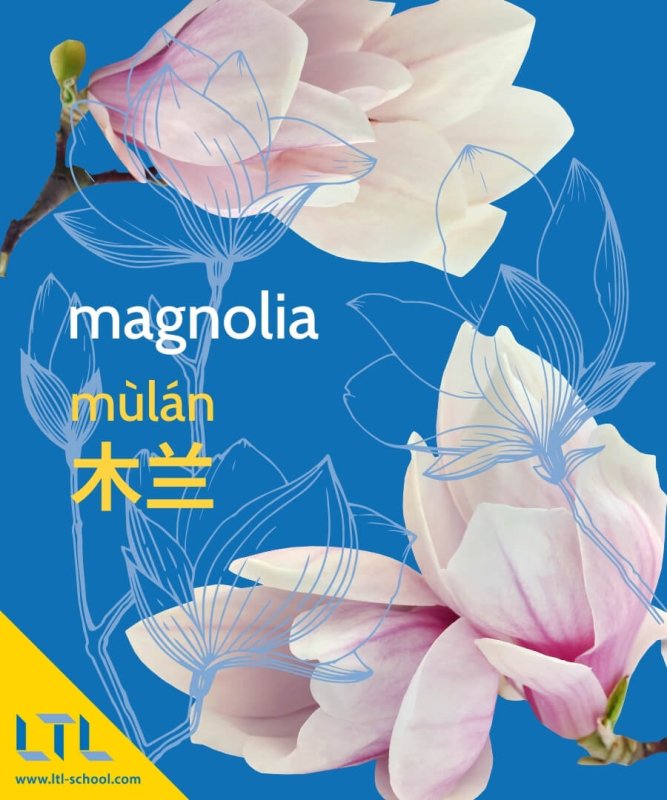
Chinese names always have meanings and its always something good and pleasant. Girl’s names normally have a Chinese name that relates to beauty, flowers, or pureness. Boys Chinese names are usually connected with power and bravery.
However, a long time ago it was believed that giving your child a name with a bad meaning could hold off evil spirits.
This lead to some interesting name choices:
Gou Sheng (dog’s leftover) and Te Dan (iron egg) are two examples!
Another interesting tradition includes parents going to visit a witch or seer upon the birth of the baby. Here, they would ask the seer or witch what kind of destiny is intended for their child.
If there was a risk of some kind of threat to the child’s life or health, parents gave the name with the opposite meaning of the threat.
If the child’s destiny said that the child will suffer from fire, the child would be given a name connected with water.
The tradition of giving a “little name” is still popular nowadays and using an alias is very popular among celebrities. The “little name” usually sounds like their given name, just a little bit modified.
For example, if the child’s full name is Ma Yang, the little name will be Yang-Yang.
Chinese Names: What to Avoid
Just as important as choosing the right characters is knowing what to avoid. Chinese naming taboos are taken seriously.
Sharing a name with an elder in the family (避讳, bìhuì): Traditionally, using the same characters as a grandparent or older relative is considered disrespectful. This practice of ‘name taboo’ dates back thousands of years.
Homophones with negative words: Because Chinese is tonal, a name that sounds similar to a word meaning death (死, sǐ), illness, or bad luck is avoided. For example, characters pronounced ‘sǐ’ or ‘bìng’ (病, illness) would never appear in a name.
Characters associated with historical tragedies or negative figures: Names linked to famous villains or catastrophic events carry cultural weight and are quietly avoided.
Overly common or ‘boring’ combinations: Parents increasingly avoid names like 张伟 (Zhāng Wěi) or 王芳 (Wáng Fāng), which were so popular in previous decades that schools routinely had multiple students with identical names. The trend now favours more literary or distinctive characters.
💡 TIP: Some parents hire professional name consultants (yes, that’s a real job) to check a proposed name for unlucky tones, stroke counts, or inauspicious meanings before registering it officially.

Chinese Names – Changing Your Name After Marriage?
Changing the last name after marriage is common practice all over the world.
Except for in China.
What do they do instead?
Sometimes, girls keep their original Family name, or they can combine it with their husband’s Family name.
The children have to take fathers’ family name regardless.
This is largely due to the importance held on Chinese names since they can tell us a lot about the person.
For example, the given name and family name can also give the information about a person’s origin a long time ago.
The name Huang Helou (黄鹤楼) is a feminine name given after one famous tower called Yellow Crane in Wuhan, a city in Hubei province.
How to Address Chinese People Correctly
Knowing the name structure is one thing. Knowing how to actually use it in conversation is where most foreigners trip up. 🤔
In formal settings, use the surname + a title:
- 王老师 (Wáng lǎoshī), Teacher Wang
- 张经理 (Zhāng jīnglǐ), Manager Zhang
- 李先生 (Lǐ xiānsheng), Mr Li
- 刘女士 (Liú nǚshì), Ms Liu
In informal or friendly settings, you’ll often hear:
- 小 (Xiǎo) + surname for someone younger than you: 小王 (Xiǎo Wáng)
- 老 (Lǎo) + surname for someone older or more senior: 老张 (Lǎo Zhāng)
Using given names is reserved for close friends and family. Jumping straight to a colleague’s given name without being invited to do so can feel overly familiar.
First names are not used in business contexts unless your Chinese counterpart explicitly uses their English name. When in doubt, surname + title is always the safe and respectful choice.
Understanding Chinese names is just the start. If you want to feel genuinely at home in conversations, knowing when to say 老张 vs 张先生, or how to introduce yourself with a Chinese name that locals will remember, immersive study gets you there faster than anything else.
Find your perfect Mandarin program and start building that fluency.
Did you know…

FUN FACT || in the whole of China, 85% of the population share the same 100 last names.
In total there are about 12,000 last names.
The most famous are – Li (李), Wang (王), Zhang (张).
From all 12,000 last names about 5000 consist of 1 character and the rest consist of 2 to 8 characters.
And there is one last name in China that consists of 9 characters.
Chinese people value their names and family names very much.
A good example of Chinese people expressing the important of ‘name culture’ happened at Columbia University in New York, the USA.
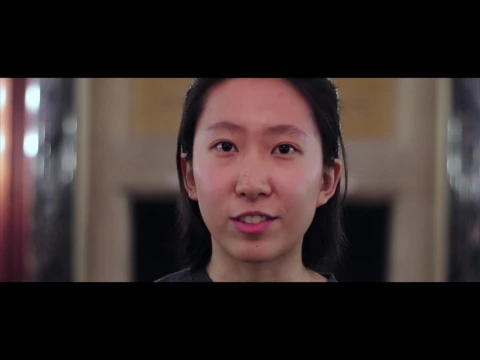
Young people from China spoke out against xenophobia towards their original names and created a video that was spread all over the internet.
It has thousands views on YouTube.
The video called “Say my name” encourages people to respect Chinese names and Chinese culture.
Chinese culture is one of the oldest and richest in the world and naming is a part of it as in every Chinese person’s life their name carry the part of their National Culture.
What is a Very Chinese Name?
If you want a name that is unmistakably, quintessentially Chinese, look for combinations of these highly traditional surnames and given names:
- 张伟 (Zhāng Wěi), so common it became a cultural joke. Zhang is the third most common surname; Wei means ‘great’.
- 王芳 (Wáng Fāng), Wang is China’s most common surname; Fang means ‘fragrant’ or ‘virtuous’.
- 李明 (Lǐ Míng), Li is the second most common surname; Ming means ‘bright’.
These names are so prevalent that they’re the Chinese equivalent of ‘John Smith’ or ‘Jane Doe’. If you’re looking for something more distinctive, Chinese parents today increasingly turn to classical poetry and literature for inspiration, which brings us to the question of how names are actually chosen. 👇
5 Ideas To Help You Pick Your Chinese Name
Choose a name that sounds similar to yours.
This doesn’t work for all names, and make sure to check with your Chinese friends or teacher before settling with a character purely based on the sound!
Choose one of the name translations.
There are many standard name translations in Chinese for typical English names. For example, Amy is usually 艾美 ài měi, and David is usually 大卫 dà wèi.
Pick yourself a common Chinese name!
Here are the most common Chinese names in China.
- Wang (王)
- Li (李)
- Zhang (张)
- Liu (刘)
- Chen (陈)
- Yang (杨)
- Huang (黄)
- Zhao (赵)
- Wu (吴)
- Zhou (周)
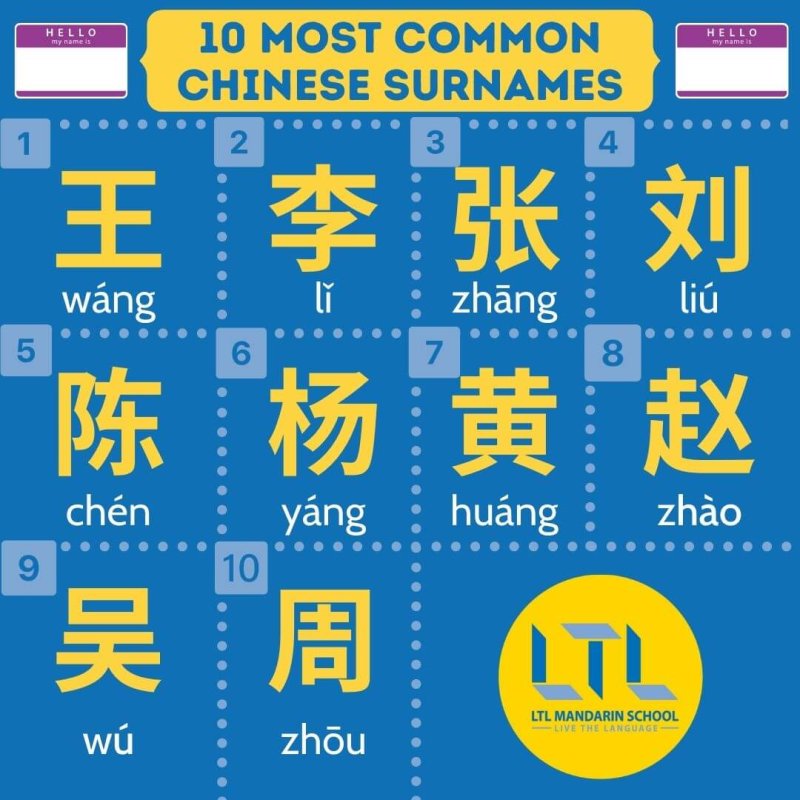
Pick some characters you like, or you can write (!)
It’s important that you can at least read your name, but better if you can write it too! Don’t pick characters that are too difficult.
Ask your Chinese friend or teacher.
The least fun, but the most fool-proof method when choosing your Chinese name.
BONUS || LTL student and marketing whizz Hannah wrote an article about how she picked her Chinese name and enlisted help from her closest friends in Taiwan.
Pronouncing Chinese Names: A Quick Guide
Chinese names in pinyin look approachable on paper, but the tones make all the difference. Getting a tone wrong doesn’t just sound slightly off, it can change the meaning entirely.
Here are the four tones you’ll encounter in names:
- 1st tone (ˉ): High and flat. 王 Wáng is a first tone, hold the pitch steady and high.
- 2nd tone (ˊ): Rising, like asking a question.
- 3rd tone (ˇ): Dips down then rises. 李 Lǐ, let your voice fall then come back up.
- 4th tone (ˋ): Sharp and falling. 赵 Zhào, short and decisive.
Names with multiple characters string these tones together, which is why even short two-character names take practice.
💡 TIP: Don’t panic if your tones aren’t perfect from day one. Chinese speakers will usually understand from context. But making the effort shows genuine respect, and locals notice. Want to sharpen your tones? Practice your Chinese pronunciation with our free tool.
Gender-Neutral Chinese Names
Not all Chinese names are clearly male or female. Some characters are genuinely gender-neutral and appear equally in names for boys and girls.
Common gender-neutral characters include:
| Character | Pinyin | Meaning | Notes |
|---|---|---|---|
| 明 | Míng | Bright, clear | Common in both boy and girl names |
| 洋 | Yáng | Ocean, vast | Used for either gender |
| 晨 | Chén | Morning | Popular for boys and girls |
| 欢 | Huān | Joyful | Often seen in girl names but not exclusively |
| 小 | Xiǎo | Little (prefix) | Gender-neutral prefix used for both |
In practice, the full combination of characters usually signals gender more than any single character alone. A name like 晨曦 (Chén Xī, morning glow) leans feminine in contemporary usage, while 晨阳 (Chén Yáng, morning sun) leans masculine, even though 晨 itself is neutral.
Want to explore further? Our Chinese girl names and Chinese boy names pages have curated lists with characters, pinyin, and meanings.
Chinese Boy Names
Here are five favourite or typical Chinese boy names:
| Name | Pinyin | Meaning |
|---|---|---|
| 伟祺 | wěi qí | Very lucky or auspicious |
| 念真 | niàn zhēn | The first name of a famous Taiwanese writer, meaning ‘read the truth’ |
| 鸿涛 | hóng tāo | The hóng part of this name means to prosper or to flourish |
| 苑博 | yuàn bó | The bó in this names means to be learned or a scholar |
| 明杰 | míng jié | Wise and distinguished |
Chinese Girl Names
Here are five favourite or typical Chinese girl names:
| Name | Pinyin | Meaning |
|---|---|---|
| 徽因 | huī yīn | The first name of a famous female architect and poet |
| 书兰 | shū lán | shū means book and lán is orchid |
| 海云 | hǎi yún | This name has beautiful imagery, hǎi refers to the sea and yún are clouds |
| 平安 | píng’ān | The characters in this Chinese name mean peace |
| 雅琴 | yǎ qín | Yǎ means elegant and qín means musical instrument |
Do you have a Chinese name? If so, tell us below. Or do you want us to help you with your very first Chinese name?
If you are keen on coming to China we recommend you check this video out. Mr LTL himself, Andreas, our founder, tells you the best places to learn Chinese in China (in his humble opinion)

BONUS || Ever thought about getting your own Korean name too? Check out our name generator and get yours now
Chinese Names || FAQs
What’s a cute Chinese name?
Cute-sounding Chinese names often use soft tones and nature imagery.
Examples: 小鹿 (Xiǎo Lù, ‘little deer’), 晨曦 (Chén Xī, ‘morning light’), or 乐乐 (Lè Le, ‘happy happy’). The latter is a classic ‘little name’ (小名) given in childhood.
What is the prettiest Chinese name?
Beauty is subjective, but names drawing from classical poetry are widely considered elegant.
若曦 (Ruò Xī, meaning ‘like the morning glow’) and 梦瑶 (Mèng Yáo, ‘dream jade’) regularly appear on popularity lists.
Classical sources like the Book of Songs (诗经, Shījīng) have inspired Chinese names for over two millennia.
What is a Chinese name for a boy?
Common Chinese boy names include 伟 (Wěi, meaning ‘great’ or ‘strong’), 磊 (Lěi, meaning ‘upright’), and 俊 (Jùn, meaning ‘handsome’ or ‘talented’).
Full names like 张伟 (Zhāng Wěi) are among the most frequently registered in China. Check our Chinese boy names guide for more.
What is a Chinese name for a girl?
Some popular Chinese girl names include 芳 (Fāng, meaning ‘fragrant’ or ‘virtuous’), 婷 (Tíng, meaning ‘graceful’), and 雪 (Xuě, meaning ‘snow’).
Full names like 李婷 (Lǐ Tíng) or 王雪 (Wáng Xuě) are common across many regions. For a longer curated list, see our Chinese girl names guide.
What is the most popular Chinese surname?
李 (Li) is the most common surname in China.
What are the 2nd and 3rd most popular surnames in China?
The 2nd and 3rd most popular names in China are 王 (Wang) and 长 (Zhang).
What is Jackie Chan’s Chinese name?
Jackie Chan’s Chinese name is Chéng Lóng (成龙).
What is Jet Li’s Chinese name?
Jet Li’s Chinese name is Lǐ Liánjié (李连杰).
Is Xiao a girl name?
小 (Xiǎo, meaning ‘little’) is gender-neutral and is used as an affectionate prefix for both boys and girls. For example, 小明 (Xiǎo Míng) for a boy or 小红 (Xiǎo Hóng) for a girl.
As a standalone given name element it can appear in names for either gender, though some characters combined with Xiǎo skew more feminine or masculine by convention.
How do you say name in Chinese?
míng zì 名字
How do you say surname in Chinese?
xìng 姓
What are Chinese boy names?
伟祺 Wěi qí – this means very lucky or auspicious.
念真 Niàn zhēn – This name is the first name of a famous Taiwanese writer, meaning ‘read the truth’.
鸿涛 Hóng tāo – The hóng part of this name means to prosper or to flourish.
苑博 Yuàn bó – The bó in this names means to be learned or a scholar.
明杰 Míng jié – This name means wise and distinguished.
What are Chinese girl names?
徽因 Huī yīn – this is just a Chinese girls name that we think sounds nice. It’s the first name of a famous female architect and poet.
书兰 Shū lán – In this Chinese name, shū means book and lán is orchid.
海云 Hǎi yún – This name has beautiful imagery, hǎi refers to the sea and yún are clouds.
平安 Píng’ān – The characters in this Chinese name mean peace.
雅琴 Yǎ qín – Yǎ means elegant and qín means musical instrument, a Chinese name for an elegant and creative type.
What is a very Chinese name?
A quintessentially Chinese name pairs one of the most common surnames (王 Wáng, 李 Lǐ, or 张 Zhāng) with a traditional given name like 伟 (Wěi, ‘great’), 芳 (Fāng, ‘fragrant’) or 明 (Míng, ‘bright’). 张伟 (Zhāng Wěi) and 王芳 (Wáng Fāng) are so common they’ve become cultural shorthand, similar to ‘John Smith’ in English.








97 comments
[…] 67. Chinese civilisation can be traced back 40 centuries. 68. More than 30 million people live in caves in China, in Shaanxi province. 69. White is the colour of mourning and thus is always worn at funerals as a symbol of death. 70. Red is always worn at weddings a symbol of happiness. 71. The pronunciation of four (四 sì) is similar to the pronunciation of death (死 sǐ). For this reason, building skip level 4 all together when numbering floors. 72. 85% of the population share the same 100 last names. […]
[…] (班) is, in this case, actually a surname. Master Lŭ Bān was an expert craftsman in ancient […]
[…] (班) is, in this case, actually a surname. Master Lŭ Bān was an expert craftsman in ancient […]
[…] Believe it or if you’ve ever been to China you’ve seen Mr Li! That’s because 85% of the population share the same 100 last names and Li (李) is one of those Chinese names. […]
[…] 72. 85% of the population share the same 100 last names. […]
[…] YOU KNOW – Kim has two Chinese names, both rather amusing. 金大妈 jīn dàmā which translates to Aunty Gold (presumably relating to […]
[…] porque 85% da população compartilham os mesmos 100 sobrenomes, e Li (李) é um desses nomes chineses. É o equivalente a ser um Silva no […]
[…] Máo can also be a Chinese surname – like Chairman […]
[…] Chinese name is Hua Mulan.Hua is a Chinese word for flower and Mulan means […]
[…] Jack Ma is the founder of Alibaba Group and Taobao. […]
[…] put together this quick guide to teach you the Chinese names for Chinese plants, what they symbolise and any particular cultural connotations they […]
Chinese names are really fascinating, they also work similar to Koreans. Kim, Lee and Park are the most common surnames in Korea.
Absolutely, although I can't say we are expert Korean speakers there are certainly a number of similarities with how the names are displayed. I think Kim, Lee and Park is similar to Li, Zhang and Wang in Chinese - they are dominant surnames in the language.
How do set my Chinese name?
Why not ask a Chinese friend to help you with one?
Is 姓 + 嘉徽 can be used as a male name?
I want a Chinese name!!
Finn, you can get one in seconds! Did you see the Chinese Name Generator in the article?
If not check it out 👉 https://ltl-school.com/chinese-name-generator/
Hope it helps 🙂
Are any Chinese names like, 5/6 characters?
No Jemma Chinese names are either 2 or 3 characters in virtually all cases.
I'm sure there are some exceptions out there, but we've never seen otherwise!
LTL
Pls can I send a card to you then you mentioned the name for me
Feel free
can you give me a sample name of Fuel? its regard for business matter. thank you
Sorry Namhi, I don't quite understand your question?
My Chinese name is 马云 (horse cloud) 😂
Excellent Martin, the Ma is from your name also! Good work
Chinese names blow my mind so much thought behind them compared to the west where it's just "follow the trends" or celeb choices!
Indeed, there's a real art behind picking the right one. Very unique
矮林 is my Chinese name 🙂
👏
[…] ltl-shanghai […]
[…] Chinese name for gunpowder literally translates to “fire […]
I finally got my name in Chinese! Thanks LTL!
Always happy to help! 🙂
Thank you! My Chinese professor gives us names based on how our own names are pronounced. Funny enough, he thought I was a girl during our first class, so after I told him, he renamed me 郝国男 to remind himself, haha!
Haha Gunnar, that is a very funny story 😂.
The LTL Team
Hello! My name is Lauro and I am a 50-year-old professor from Brazil. Me and my family will relocate to Beijing for a 2-year period (maybe more), so we need to choose our Chinese names! Could you kindly help us?
Lauro (50), male, teacher, loves literature, History and music; Gabriela (37), female, lawyer, strong and resilient; loves doramas and travelling; Miguel (9), male, strong and active, loves sports; Mariah (1), female, our little baby, smiling, calm and loving.
Our surname is Meller, which means “a mill owner”. Because it is a variation of Miller, I thought Mi would be a Good Chinese surname for us (meaning “rice”), but I am not sure it is a good choice.
Many thanks in advance! Xié xié
米 is actually a semi-common surname and would be a great choice for your family. Well done on breaking it down and finding the name yourself 🙂
Hey, been trying to deciding on a chinese name for AGES, wondering what you think of 周 海霞?
Its really hard to know what kind of flow it has
Hi Roob,
Yes it can be so hard to decide on a Chinese name!! But 周 海霞 is a great name, it is very 很好听 so we think it's a great choice 😊.
Thanks, The LTL Team
高富帅 was the name given to me years ago. I didn’t realize what it meant until I actually went to China to study 😂😂
We've all been there Frank!
My name is Lana and I have not found a Chinese name close to mine
In these situations it'd be great to ask a Chinese friend who knows you well. Names can often be based on personality.
My chinese name is 陆慈榕. Is it good or bad??
Hi Lea,
This is a great Chinese name! 慈 means kind and 榕 is a big tree, which in a name refers to growing up strong and quick.
The LTL Team
Is 吳嘉芸 a good female name?
Hi CJ,
The character 嘉 means good and 芸 is a good character for a female name. Really great choice!
The LTL Team
Hi what do you think of 马雅 or 马雅惠 as a girl's name? (which one do you prefer?) Is there any weird/funny alternative meaning to these characters being used together?
Hi Grace, thanks for your comment
We prefer 马雅惠。 马雅 sounds like 妈呀 which in Chinese means "oh my god" 😂
Hope this helps
LTL
Oh wow! Thanks for that. What about 马惠 over 马雅惠 as a 2-syllable alternative
No problem!
How about 马慧 as this sounds like wisdom in Chinese? Something a little different but great connotations in Mandarin.
LTL
what do you think of 吴宵晖?
hi, is there such a surname called Bibi 比比? If yes, what exactly does it mean? I'm still puzzled by this name 比比东 BiBi Dong
Hi Anastasia, thanks for your comment
比比东 comes from a famous novel, TV show and animation called 斗罗大陆.
It's just a nick name and we don't have a surname like that in Chinese.
Hope this helps.
Hi I want to name my son Qiao which means handsome but I Don't know if it's a surname and its chinese character
Thanks for the excellent article! What do you think do the name 王海灵? I wanted something that felt gender neutral and specifically mentioned the ocean. Thank you!
That's a great choice of name 🤩 Well done if you chose it yourself!
Hi! what do you think of 輕珍 / 輕珠? do they sound and look good for a girl's name? or how about using this qing 清珍 / 清珠? which one will be better?
Hi Cynthia!
珍珠 means pearl, so perhaps this may be maybe a better name for you? Or if you prefer both 清清 and 珠珠 also sound like really cool names!
Thanks, The LTL Team
HELLO DEAR
[…] if you know the Chinese name for what you’re looking for, you can put this in the search […]
Thank you, this post really helps me creating a name for myself. Interesting that they put so much thought on creating names.
Also, what do you think about these names: 俊爾德, 俊威儀, and 俊維翰? Are they sound OK for a young male adult? Is 俊 a legitimate surname or should I stick with 楚?
I am afraid they are a bit outdated since I created them by taking characters from a passage in 詩經 🤣. Also, since its in classical Chinese I am not quite sure about how to combine the characters.
Thanks once again 😁
Hi Alden,
Thank you so much for your comment. It is so impressive that you read 诗经 (詩經)! We suggest that you stick with the surname 楚,and 楚尔德 (楚爾德) is a very cool name. For instance Oscar Wilde is translated 奥斯卡·王尔德 in Chinese.
Thanks, The LTL Team
Hi! Do you know if 信心 can be used as a girls name? Is 李信心 an acceptable name or should I use different characters? I really like the xinxin pronounciation so I would like to have that as my name.
Hi Ella! The name 李信心 would sound a little unusual so we would instead recommend one of the following names: 李鑫 李欣 李馨, if you really like the sound of xinxin for all these names you can repeat the xin for example 李欣欣.
Hope that helps, The LTL Team
Hello, I wanna know 遇熹 & 宋雾曦 are beautiful names or not. I chose 遇 as surname & 熹 as given name. Also in 宋 & 雾曦。But, I'm not sure then. If they aren't good, please help me what to change suitably.
I'm creating novel, so I need a perfect CP name tho. Thank you so much.
They are all good to be honest Tara.
We had a chat around the office and the general view was 遇熹 is amazing and the favourite, but all of them would fit just fine 🙂
[…] you or a loved Traditional Chinese names you can here one has experienced Chinese culture, you know firsthand the pressure placed on new […]
[…] Chinese Names | Understanding How Names in China Work […]
I am Mark, what's my Chinese name
Hi Mark, you can use the name generator on the page or visit https://ltl-school.com/chinese-name-generator/ for more details.
Typically Mark is 马克
Ah every aspect of Chinese culture is so interesting to learn about, since the history has so much depth! I tried to keep my Chinese name as close to my English name meaning as possible. My family name relates to birch trees and my given name means joy / happiness. So, combining these, I came up with: 林怡然 (Lin Yi Ran), 林靜怡 (Lin Jing Yi) / 林靜熙 (Lin Jing Xi) / 林靜辉 (Lin Jing Hui). I added Jing because it speaks to my personality. Huān Yǒng also caught my eye. Do these options sound okay?
That sounds perfect Sara, nicely done 🙂
Hi! I have given myself a Japanese name 恵(Megumi) as it’s meaning is similar to my Western name. I wanted to include 惠(Hui4) in my Chinese name somewhere. I was thinking about 惠姸 (Huìyán) or 贤惠 (Xiánhuì) or 惠良 (Huìliáng) or something along those lines.
Those are great options Grace! Lovely work.
惠 means kindness in Mandarin so that's a great inclusion to your name.
Excellent article!
Thanks Leo
Hi, my name is Tapio H., and about 10 years ago, I chose with locals in Beijing together following name 郝泰博 (Hǎo Taì Bǒ). I like the translation, and I thought it fits my name. However, always and where ever I went in China, this name made the people laugh and smile, and yet they always said, its a good name, when I asked why they are laughing. Therefore, I am unsure about the name, due to all the laughing about my name. What do you think, is it a good name? And now, I live in Taiwan, can I use it here? All the best, Tapio
Hi Taipo, we don't understand the laughing at all! As Chinese natives speakers we like this name a lot.
郝泰博 hǎo tài bó - 郝 as a first name starts H which suit yours and 泰博 not only suits Tapio, but also means "well wishes" and "well being"
[…] origins for the Chinese name of this sauce remain a bit of a mystery as it isn’t eaten with seafood, nor is it made from […]
My Chinese name is 邓思雅. Is this Chinese name beautiful for girl. What does it mean?
Our team think it's a really nice name. It means gives a feel of elegance which is perfect for female name 🙂
I want a Chinese girl name and I am interested in the Chinese language so I am starting to learn.
Our Chinese speaking team recommend 梅岚岚.
The surname 梅 (mei) sounds like your name May and 岚 is the name of a mountain 🙂
Hi i just got my korean name rohee which means she whose intuition will allow her to light up even the darkest unknown of universe.
I really like the name and found that it will become (my fam surename)huang lu-xi in chinnese.
But i dont know the hanzi version of luxi. Is this the correct character? 路凞 (1st character is road, 2nd character is bright, glorious)
The characters for your name would be 露曦.
Great choice by the way!
I'm curious about the use of two names to create a single name. Example: for a male, would "Min Jie" or "Jie Min" be accurate for meaning "a clever hero"? I want to be as accurate as I can be, but the web has shown a lot of different meanings for these two names
My Chinese name is Mah Li Fong What are the Chinese characters
It's really nice to learn more about my culture! My chinese name is 嘉欣,it was picked by my grandparents apparently. I'm not too sure of the meaning but I know it means something along the lines of joy.
I'm really amazed at the careful consideration on chinese names. I hope I can give my future children good chinese names too someday even if I'm not that good at chinese.
Love to hear that! Yes Chinese names really have so much thought process, it makes the names incredibly meaningful. Your name is also really nice, your family chose well!
How do I write my pinyin name - Li Ping-Wei in Chinese characters, please. Thanks
It will depend on the tones but it will likely be
李评为
lǐ píng wéi
[…] LTL Language School says three of the most typical boys names are: […]
我叫小灵
Lovely name 🙂
Is 姓 + 嘉徽 can be used as a male name?