
Chengde Travel Guide || Hidden Gems to Discover
Chengde is a compact mountain city in Hebei province, roughly 250 km northeast of Beijing and about 2 hours by high-speed train.
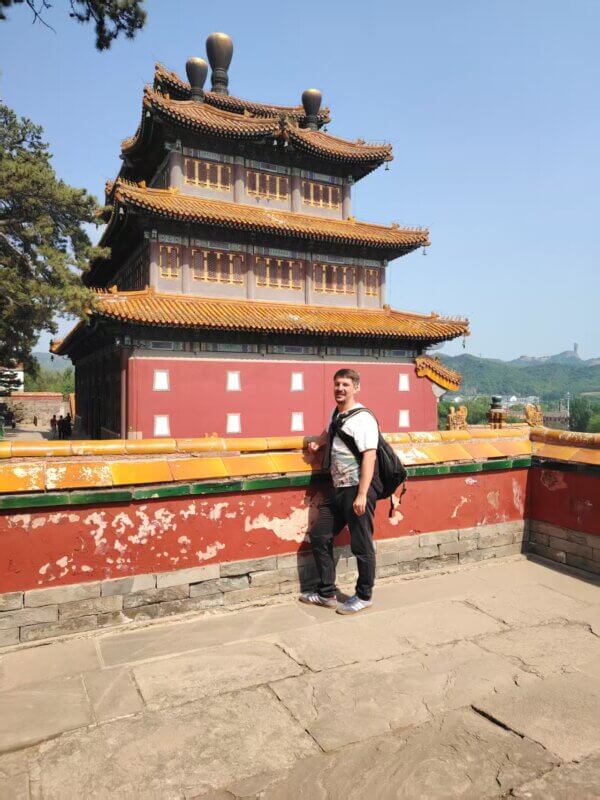
It holds two UNESCO World Heritage Sites, the Imperial Mountain Resort (Bishu Shanzhuang) and the Eight Outer Temples, is widely considered the birthplace of standard Mandarin, and sees almost no foreign tourists, which is why LTL runs its flagship Chinese immersion program here.
ICYMI – FIRST and foremost, check out our Chengde Travel Guide which we previously published! For the students, by the students.
Chengde is the jewel in the LTL crown.
A city unknown to virtually every student who comes to China to study with us.
Commonly confused with the more famous Chengdu (home of the Pandas), Chengde couldn’t be further from the big city lifestyle that Beijing and Shanghai boast.
Why We Offer An Immersion Program in Chengde
Is There Much to do in Chengde?
Qing Dynasty History & UNESCO Context
Bishu Shanzhuang // The Imperial Mountain Resort
The Eight Outer Temples // Architecture Across Cultures
LTL Students Top 7 Secret Spots in Chengde
Getting to Chengde from Beijing
How Many Days Do You Need in Chengde?
Day Trip Option // Jinshanling Great Wall
Practical Tips for Visiting Chengde
Discover Chengde || FAQs

Why We Offer An Immersion Program in Chengde
Chengde is by no means a small city when speaking of the average sized country. China, however, is a different beast.
Chengde’s population borders around the half a million mark, not so small right? Wrong!
Chengde is the 143rd most populous city in China (out of 662 cities in total), way down from the big hitters that preceed it with urban populations eclipsing 20 million.


65 cities in China play host to populations over one million people… we could go on and on with incredible facts that dwarf most countries in the world.
We gained our data from the World Population Review website so feel free to visit the link and check them out for yourself and have your mind blown by some huge numbers.
| City | Population (Urban Area) |
|---|---|
| Shanghai | 24,500,000 |
| Beijing | 22,500,000 |
| Guangzhou | 19,800,654 |
| Tianjin | 15,500,000 |
| Chongqing | 15,384,000 |
| Chengdu | 14,677,122 |
| Shenzhen | 12,357,938 |
| Harbin | 12,000,000 |
| Wuhan | 10,670,000 |
Anyway, back to the city in the spotlight – Chengde…
Being the 143rd most populous city in China, Chengde is not at the top of many people’s bucket lists.
In fact, it probably isn’t on anyone’s bucket list and that’s exactly why we host our Chinese Immersion Programs here.
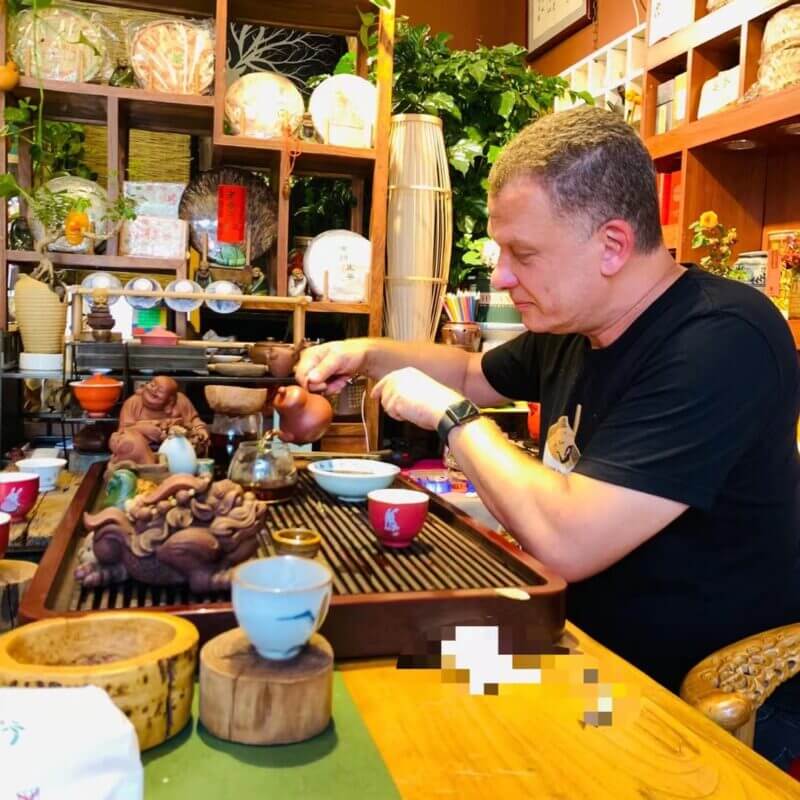
Chengde is a hidden gem, easily accessible from Beijing at around 250 km to the northeast.
Chengde is home to the famous Mountain Resort (Bishu Shanzhuang), designated a UNESCO World Heritage Site in 1994 along with the Eight Outer Temples. The city is also widely regarded as the birthplace of standard Mandarin.
This means the accent is perfect for Mandarin learners.
No foreigners (except LTL students of course) are found in Chengde so you are forced to speak Mandarin 24/7. Therein lies the secret.
Go to one of the bigger cities and it’s easy to speak your native language, or easier at least.
You don’t get that problem in Chengde.
This is why our students learn so fast in Chengde, but what is there to do outside of the classroom?
Is There Much to do in Chengde?
There is a huge number of activities to take part in when coming to Chengde.
The aim of this blog post is to give you an idea of some hidden spots in a city absolutely teaming with gorgeous pockets of beauty, left, right and centre.
We don’t want to only point out the obvious spots you may get told by locals (and the locals are generally incredibly warm and friendly with foreigners).
We put this together to give you some other ideas, from students who really live and breathe Chinese Culture and who have uncovered some great spots to relax, study, read books, listen to music or just about whatever you want!


Qing Dynasty History & UNESCO Context
The Mountain Resort is one of China’s 50+ UNESCO World Heritage Sites, specifically inscribed in 1994 under the name ‘Mountain Resort and its Outlying Temples, Chengde’, covering Bishu Shanzhuang and the Eight Outer Temples together.
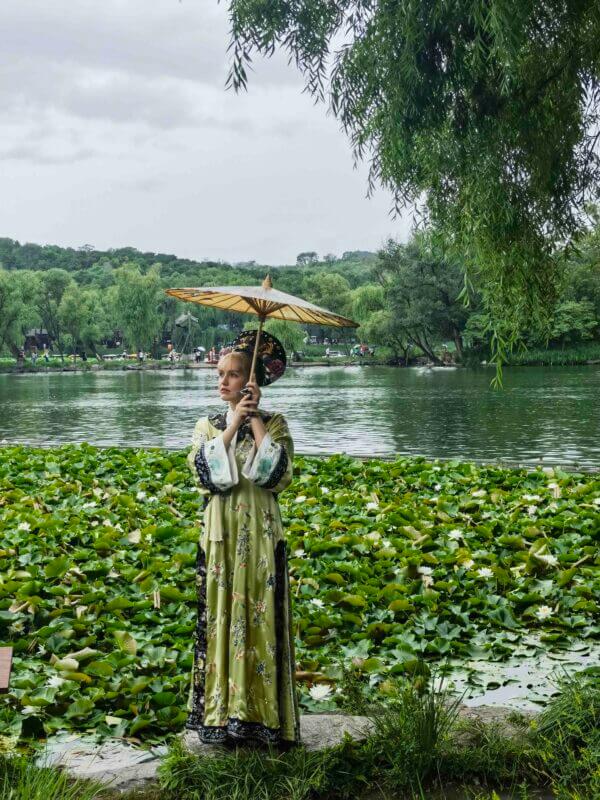
The history behind Chengde is worth knowing.
Emperor Kangxi founded the Mountain Resort complex in 1703, choosing this valley in Hebei province for its cooler summers and its strategic position between Beijing and the Mongolian steppe.
For much of the 18th century, Chengde functioned as a second imperial capital: Qing emperors spent up to six months a year here, receiving Tibetan lamas, Mongolian princes, and foreign ambassadors in a setting carefully designed to project Qing power and cultural inclusivity.
The political significance was real.
By building temples in Tibetan and Mongolian styles, the Qing court signalled respect for minority cultures, a soft-power strategy that helped hold together a vast and diverse empire.
After Emperor Jiaqing died here in 1821, the court gradually stopped coming. Chengde’s imperial era ended, and the city quietly faded from the centre of power.
That retreat from the spotlight is precisely what preserved it.
Bishu Shanzhuang // The Imperial Mountain Resort
If you only visit one place in Chengde, make it Bishu Shanzhuang (承德避暑山庄, Chéngdé Bìshǔ Shānzhuāng), the Imperial Mountain Resort.
At 564.6 square kilometres, this is the largest surviving imperial garden complex in China.
Emperor Kangxi (康熙, Kāngxī) ordered its construction in 1703, and Qing emperors used it as their summer capital for nearly 150 years, escaping Beijing’s heat and conducting state affairs here.
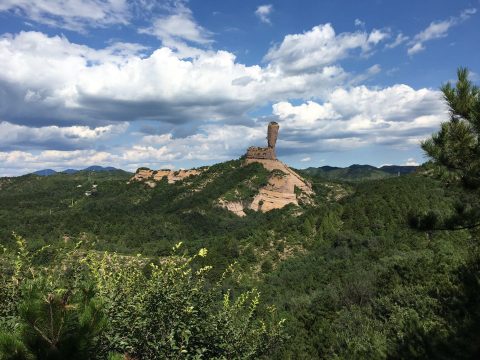
The resort divides into three distinct zones:
- Palace Area: the formal administrative halls where emperors received envoys and governed during summer months.
- Lake Area: interconnected lakes dotted with pavilions, causeways, and islands modelled on southern Chinese garden traditions.
- Mountain Area: covering around three-quarters of the total site, with pine forests, rocky ridges, and quiet temples.
UNESCO inscribed Bishu Shanzhuang as a World Heritage Site in 1994, recognising its architectural achievement and its role as a symbol of Qing imperial policy toward ethnic minority groups.
TIP💡 Entrance costs around 145 CNY in peak season. Arrive by 8am to beat the domestic tour groups that roll in mid-morning. Rent a bike inside the grounds, the lake circuit alone takes a couple of hours on foot.
The Eight Outer Temples // Architecture Across Cultures
Ringing the northern and eastern edges of Bishu Shanzhuang, the Eight Outer Temples (外八庙, Wài Bā Miào) are one of China’s most remarkable architectural collections.
Built between 1713 and 1780, they were commissioned by Kangxi and his grandson Qianlong (乾隆, Qiánlóng) to welcome Tibetan, Mongolian, and Uyghur delegations, each temple styled to feel familiar to its intended guests.
The result is a skyline that mixes Han, Tibetan, and Mongolian building traditions in a way you won’t find anywhere else.
Two temples you should not skip:
- Puning Temple (普宁寺, Pǔníng Sì): an active Buddhist monastery housing a 22-metre wooden statue of Guanyin (观音), one of the tallest wooden sculptures in the world. Monks still practise here; arrive early for the morning rituals.
- Putuo Zongcheng Temple (普陀宗乘之庙, Pǔtuó Zōngchéng Zhī Miào): modelled on the Potala Palace in Lhasa. The red-and-white walls rising from the hillside make for a genuinely striking photo, and the scale is hard to believe until you’re standing in front of it.
TIP💡 A combined ticket covering the main temples runs around 130 CNY. Budget a full morning, rushing these is a waste.
LTL Students Top 7 Secret Spots in Chengde
1 – 僧冠峰风景区 (Sēng guān fēng fēngjǐng qū)
This is a great scenic walking route which almost feels like a “step back in time”, as stated by some of our Chengde Alumni. If you fancy an off-the-beaten-track place to study this is a wonderful place to do it.
A great place to read, a great place to hike
Some of the paths in this area can be a bit hair-raising with sudden drops and no rails in certain areas so it might get the adrenaline pumping!
We don’t know a huge amount about the background of the area but we do know for sure it’s the sweetest spot to grab some peace. Here are some pictures and maps to paint the picture a little more so.
LTL Student David – “Describing the route isn’t so easy. I was told directions by a previous student but gamely struggled. In the end I found my own way and I think I’d pass that advice over again. There really are a number of different routes to take so don’t feel tied to this one. There is probably a more direct route also”


2 – Quiet Surrounding Hikes
Hiking is one thing Chengde is great for, the city really has endless areas to walk and discover.
This suggestion is a little broad, but we’ll put forward some specific locations below, which are alternatives to the main parks including the Summer Mountain Resort.
You get some great views of the city which we’ll also put below for you.
The main Summer Resort is a great place, and covered in detail above, but there’s so much hiking to be done in other areas and these cannot be ignored. Remember, the main Mountain Resort is a UNESCO site, it’s well known, but these places aren’t and that adds to the beauty.
NOTE – There are plenty more entry and exit points. These are ones recommended by students but ultimately Chengde is at your feet. Go and explore and see what you can find.


3 – Secluded Spots in 避暑山庄
Everyone coming to Chengde will probably be familiar with 避暑山庄 (Chengde Mountain Resort).
Rightly so, it’s wonderful!


That said, it’s great to go off the beaten track inside of park area.
There are many quiet spots to discover as the crowds of people tend to congregate around the park entrance and well-known scenic spots.
We highly recommend taking these on:


Generally, you’ll see crowds head towards certain directions together, don’t be a sheep!
Don’t follow the crowd.
There are far greater rewards to be had and much more space for exploring the more relaxed areas of 避暑山庄.
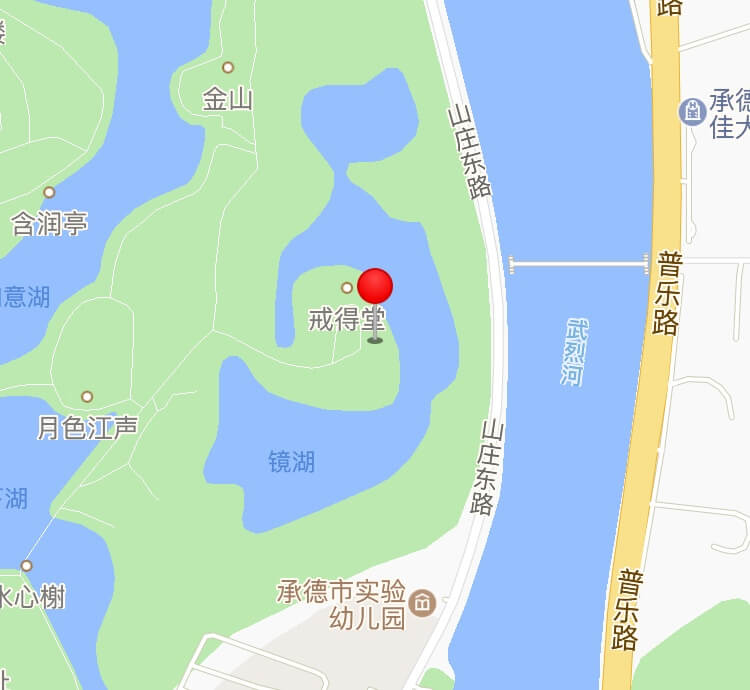
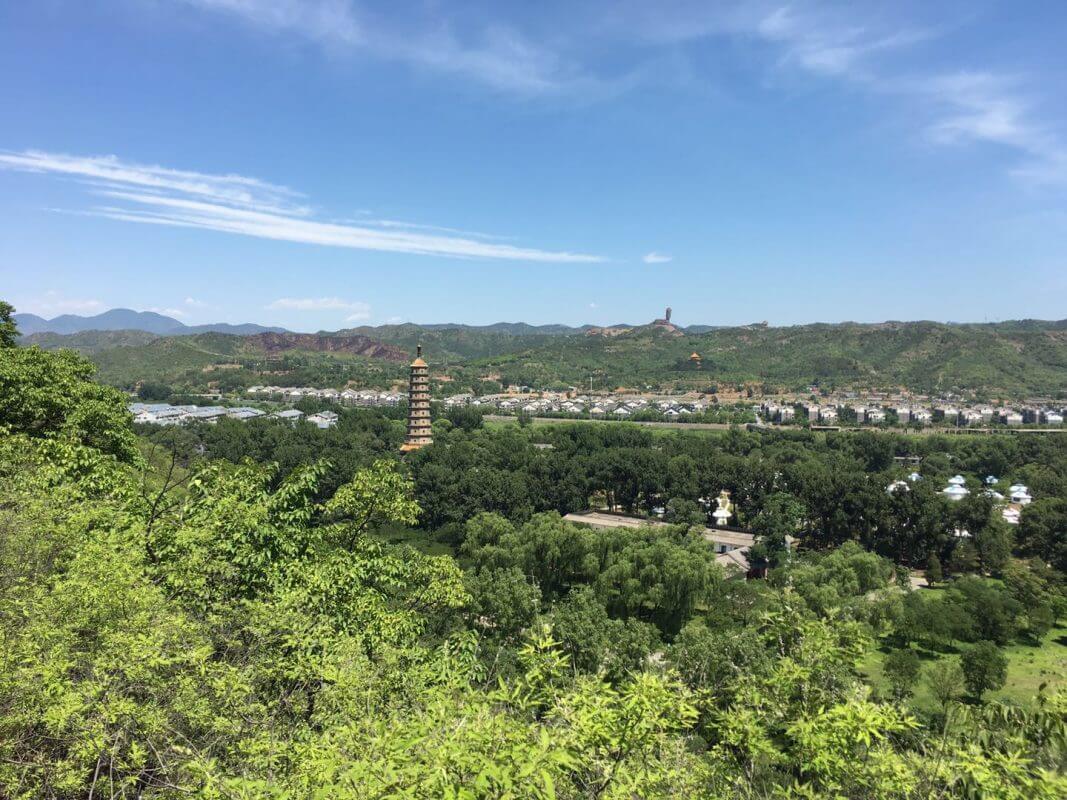
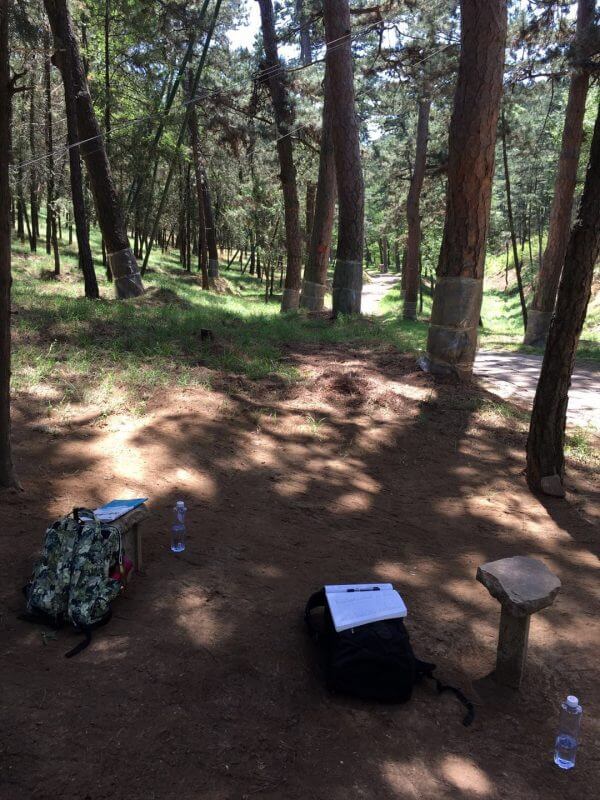
Below are screenshots of the areas we recommend you explore, including an island within the park and a hike between two pagodas towards the top of the hill.


4 – Not all roads lead to Milu Coffee
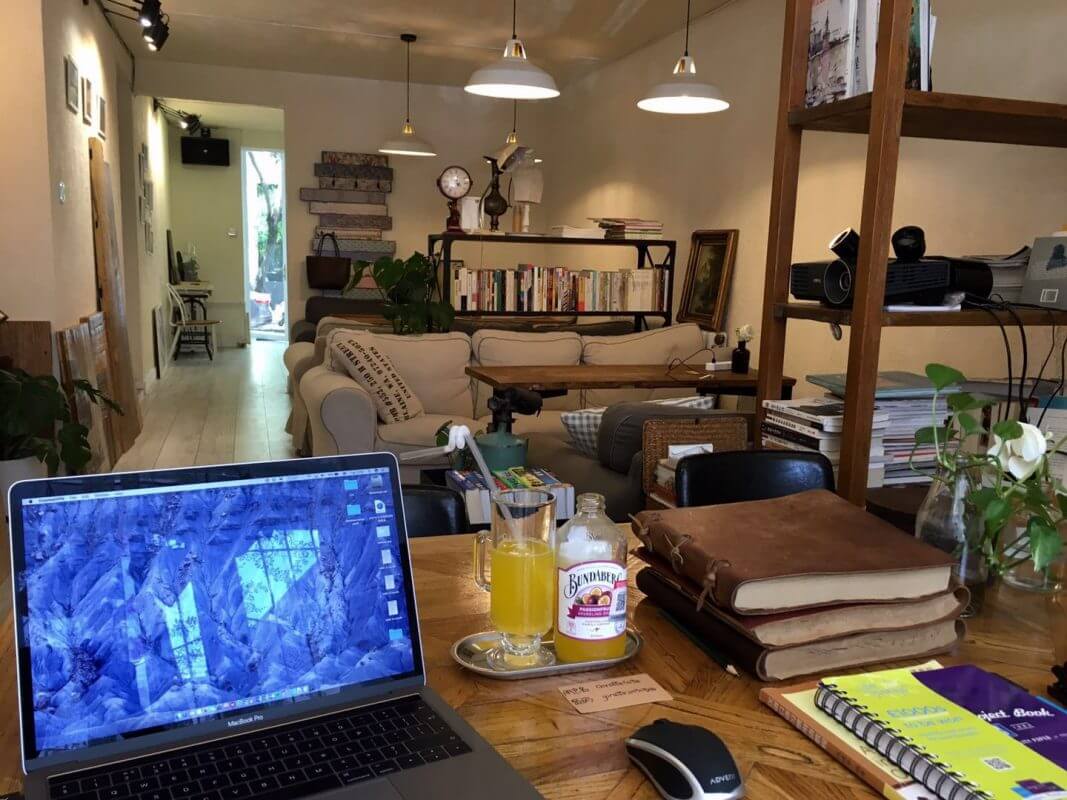
Milu is a popular spot for students to study and enjoy a coffee which is a great place for a class or self-study, but you don’t have to limit yourself to one place that you’re comfortable with.

There are two nice alternatives which are just around the corner.
Giraffe is a neat and small place, very bright and has no more than 4 booths, so it feels very quiet and chilled out.
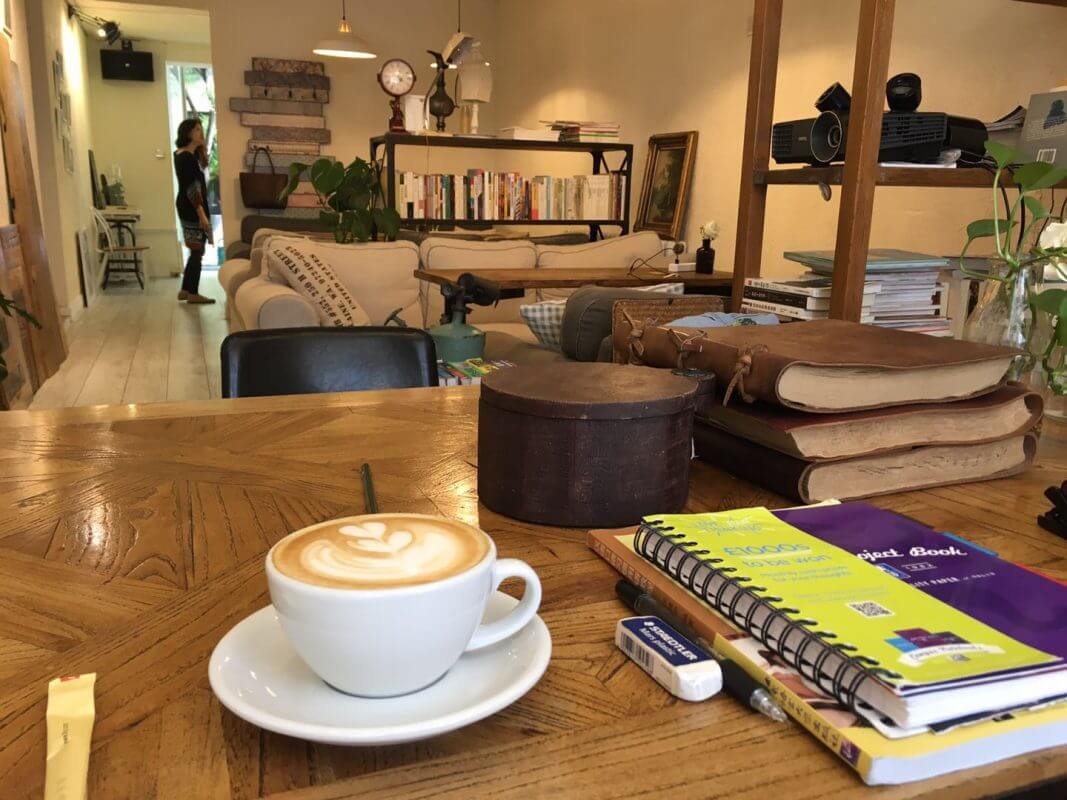
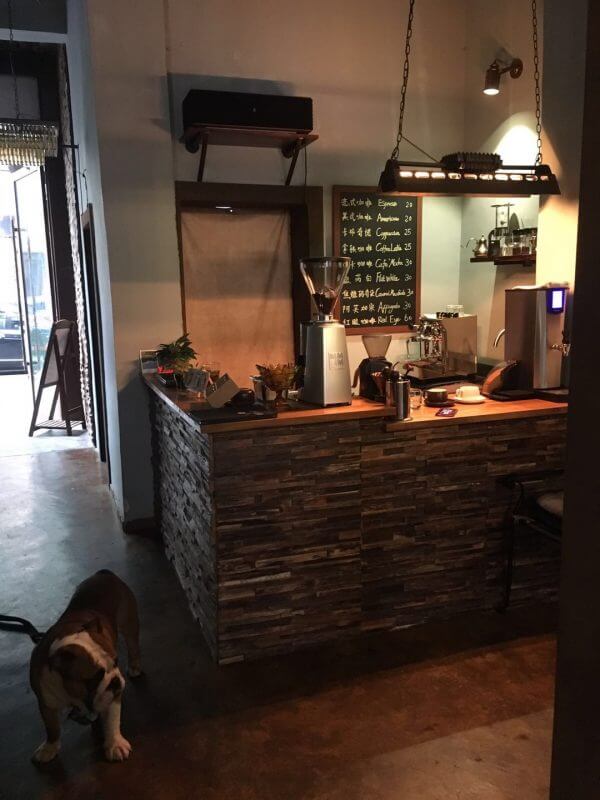
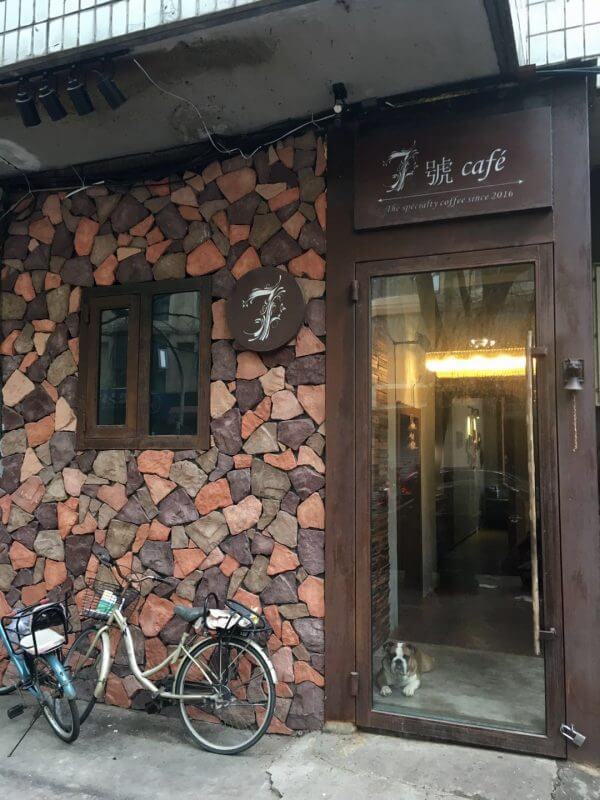
Another alternative is a few doors down the road from Giraffe and it’s called Seven.
Seven is another fairly small, but cosy establishment and also well worth the visit. Mix it up.
Keep the scenery fresh and maybe juggle these about a bit.
There are many others to discover also, Nihao is a coffee place to add to your portfolio.
The decor there is very bizarre so it’s worth checking out at least once for that fact alone!
As stated before. There is nothing wrong with Milu Coffee, but with it being bigger, smokier and a tad noisier at peak times, it’s certainly worth exploring a few other places every so often.
TOP TIP || Be careful with opening times for these alternate venues. Seven in particular seems to open when the owners feel like it. You could arrive at 11am and it’s open, or head over at 2pm and it’s closed. Giraffe is a tad more reliable. Don’t put all your eggs in one basket would be the mindset to take as you set off from your homestay!
5 – Sauna 紫色阳光
This is a great place to go to unwind after a long day of studying. It’s clean, it’s modern and hugely enjoyable.
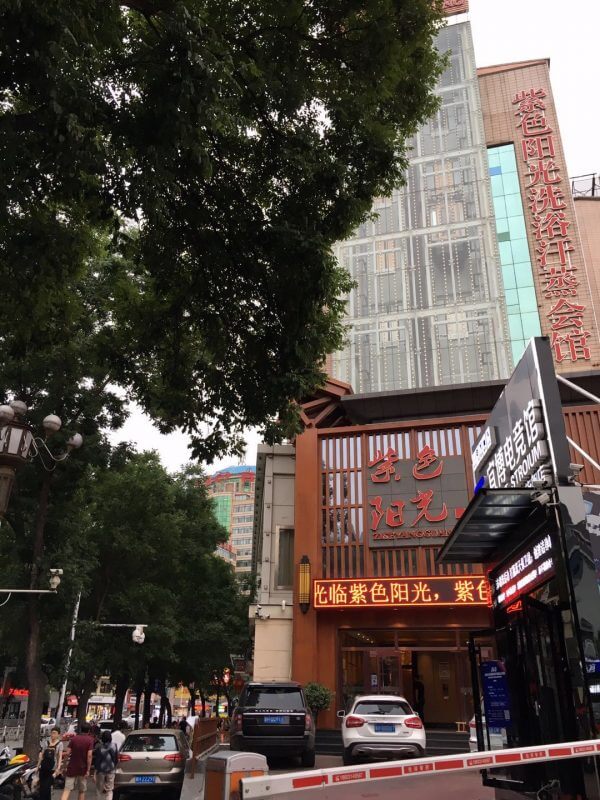
This specific sauna (pictured) is located on the 6th floor. You can spend as long as you want in the Sauna.
There is a buffet which is completely free AFTER 10pm!
The different saunas vary in temperature, steam rooms, pools – they’ve got the lot and are incredibly cheap also.
Kick back, watch some TV, unwind, do what you want. Go for a massage, order a beer, and play some chess.
There’s a load of facilities to enjoy and the great thing is that it is so much cheaper than the Beijing or Shanghai equivalents!
To put this into perspective the bigger cities would charge you around 200-300CNY for the day, whereas in Chengde you’d get change from just a 50CNY note and get the same service!
There isn’t one specific Sauna to visit here – there are loads around town. Practice your Chinese, ask your host family or our staff and you are bound to find one either near your homestay or where you study!
TOP TIP || The buffet is actually all day long but after 10pm it’s free. The price is minimal anyway, but if you are on a tight budget, see if your stomach can hold out, then it’s all yours!
6 – Jazz Cafe + Others
Although this was mentioned in the Chengde Travel Guide, we have to throw it in again because it’s not somewhere you’d stumble across just by walking around.
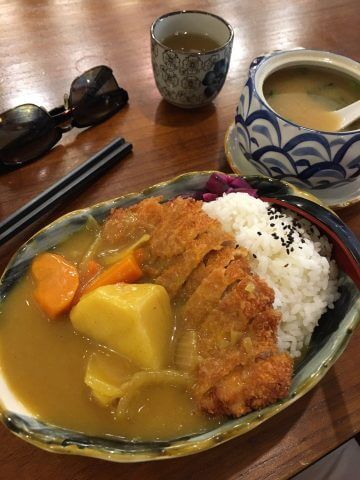
If you are based more centrally this is likely a fair trek (not walkable though) for you but it’s worth it for the milkshakes and the food no doubt.
The menu is pretty expansive and includes some western favourites. The one shown on the right here is a nice, flavoursome curry with breaded chicken,
As stated, the milkshakes are worth the journey alone and there are also pizzas and salads to tuck into.
Despite being a little bit out of the way (that is if you are staying nearer the central/mountain resort area), it’s still very easy to access the Jazz Cafe, just don’t expect to walk there.
There are also a few other foreign alternative places to get stuck into. Thai and Japanese also feature in Chengde and the quality is good, as LTL student David informs us here:
LTL Student David – “I wanted to note how surprised I personally was that Chengde is actually a place where you won’t just be restricted to rice and noodles like many would expect.
I enjoyed dining at what’s fast becoming one of my favourite Japanese restaurants in the whole of China. There are a number of foreign food options which you’ll no doubt discover. Get walking and you’ll find them.”

7 – Pi Bar + Others (and the demise of the “Plastic Chairs Bar”)
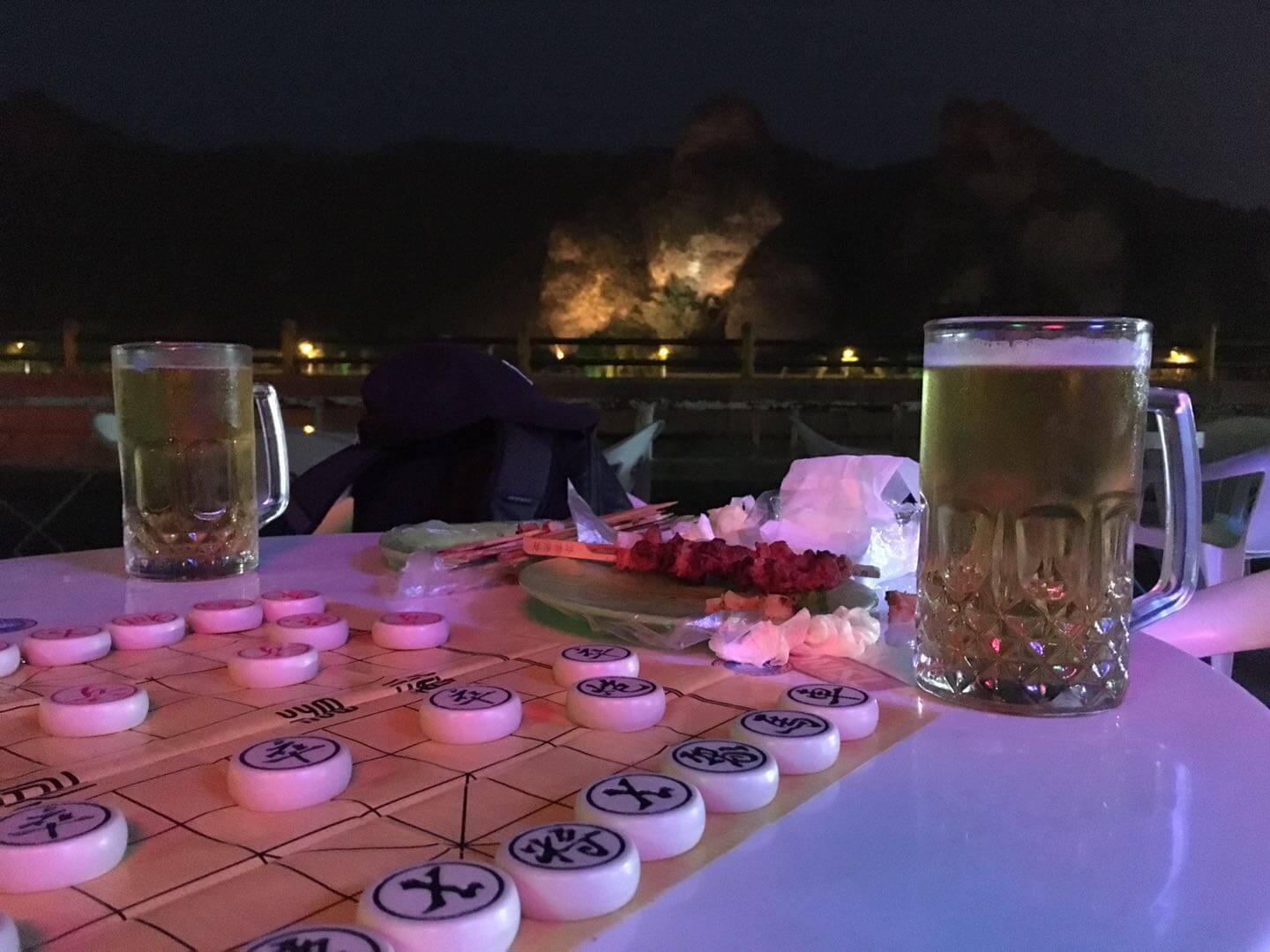
Unfortunately, we had a great recommendation which we expertly named “The Plastic Chairs Bar”.
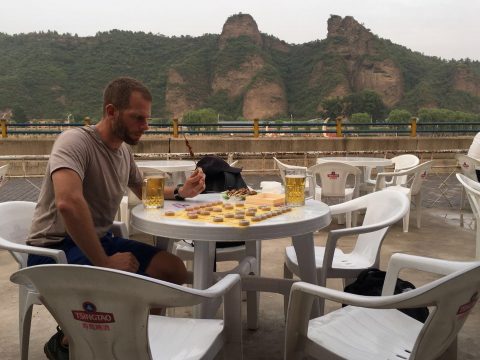
As you’d imagine, the bar was littered with Plastic Chairs and had no official name.
It was situated outside along the river and was a great place to relax, study, drink and tuck into some tasty, local food.
The beer was filthy cheap!
Sadly the bar shut down just before publishing this post! This is something that happens when you least expect it in China – a sad day but all is not lost.
There are plenty of watering holes to discover in Chengde. There is one called Pi (named after the mathematical number 3.14…). The bars are quirky and have their own unique little features that we like.
The best thing to do, as usual in Chengde, is to walk and see what you come across but Pi is a great place to start when it comes to the bar scene in Chengde.
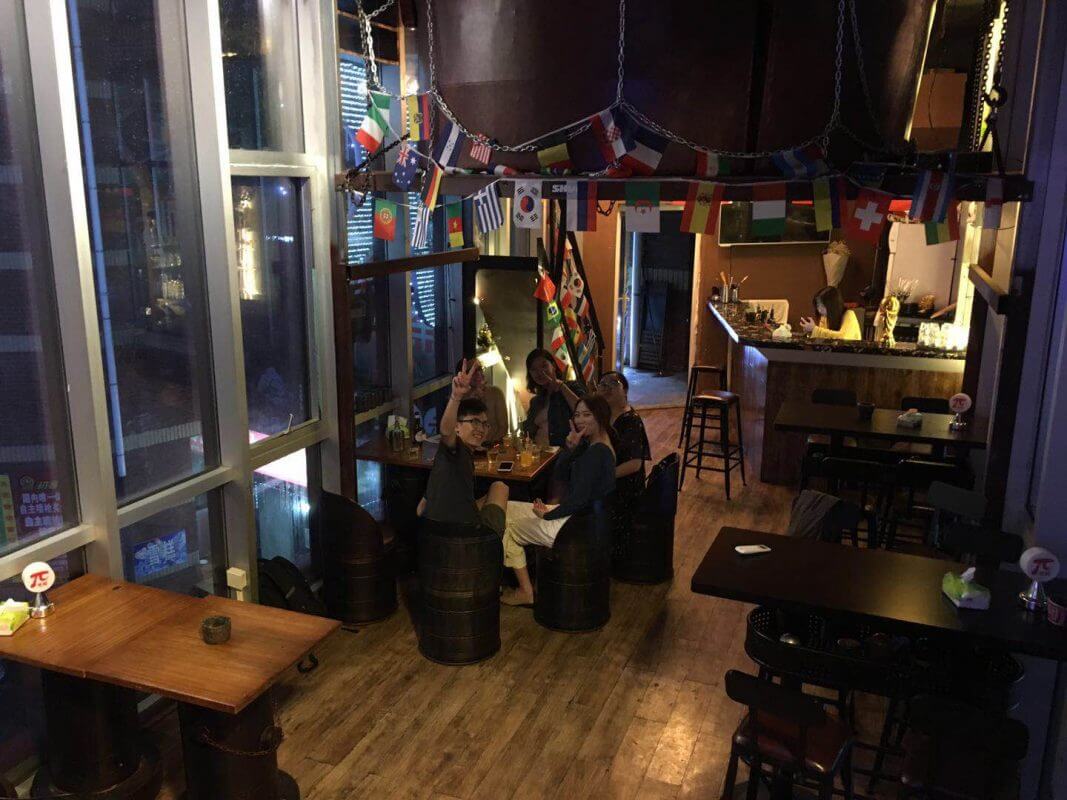
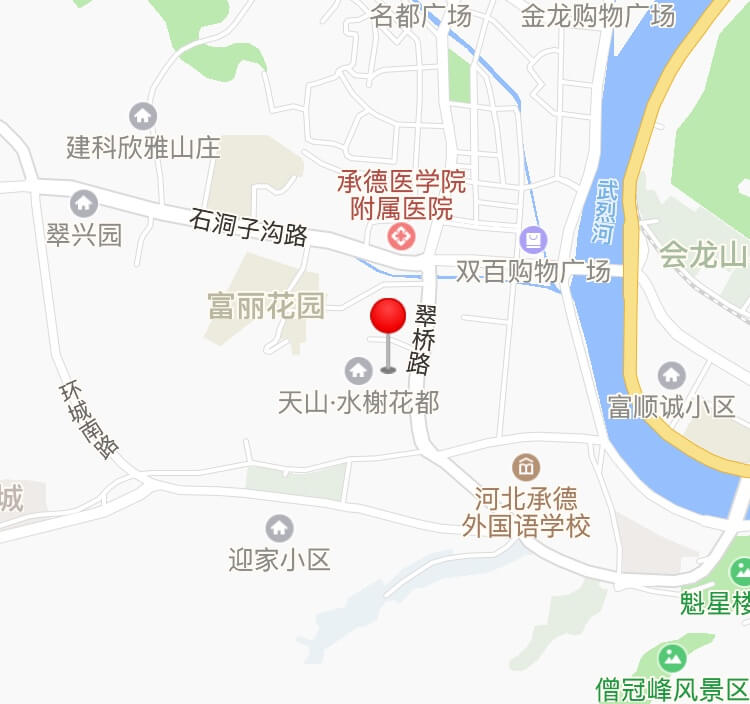
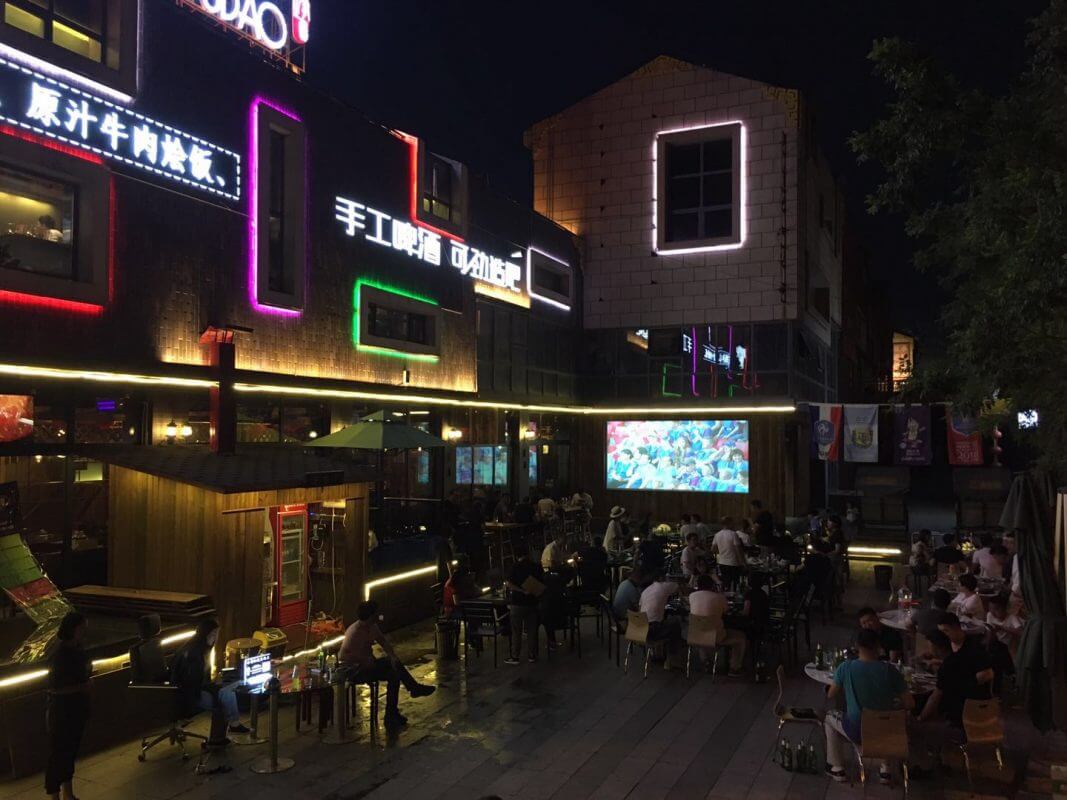
Another cool bar to note here and this one actually brews their own beer.
As you probably start to understand if you’ve read this far, the prices are dirt cheap and the beer is good.
It’s worth a visit so we’ve popped the pin down below with a couple of pictures for you.
The bar is called 涮之有道 (Shuàn zhī yǒu dào)



Getting to Chengde from Beijing
The fastest current option is the high-speed train from Beijing North or Beijing Chaoyang station, which gets you there in roughly 2 hours.
Slower services via Beijing Station take around 3.5 to 4 hours but cost less.
Tickets typically range from 75 to 140 CNY depending on the train and seat class, book a few days ahead on peak summer weekends.
Long-distance buses also run from Sanlitun and Wangjing in Beijing, taking around 3.5 hours and costing 60 to 90 CNY. Useful if you miss the last train.
TIP💡 Chengde is absolutely not Beijing. It is a separate city in Hebei province, roughly the same distance from Beijing as Oxford is from London. The names look similar in English but they are completely different places.
When to Visit Chengde
Summer (June to August) is peak season and for good reason: Chengde sits in a mountain valley at around 350 metres above sea level, which keeps temperatures noticeably cooler than Beijing.
When the capital hits 38C, Chengde tends to hover around 26 to 28C. The Qing emperors were onto something.
Autumn (September to October) is arguably the best time to visit. The summer crowds thin out, the mountain foliage turns, and the light on the temple walls in the morning is genuinely beautiful.
Winter is cold and most outdoor sites scale back hours, but the resort grounds are quiet and occasionally dusted with snow, worth it if you don’t mind wrapping up.
Spring (April to May) brings blossom to the resort gardens and is a pleasant time to hike.
TIP💡 If you are coming to Chengde to study with LTL, summer enrolments book up faster than any other time of year. Plan ahead.
How Many Days Do You Need in Chengde?
If you aren’t coming to study, but just to visit, two days will allow you to see much of what you need to.
For a day trip from Beijing, you can cover the highlights, but you will feel rushed. Two days is the sweet spot for most visitors.
Day 1
- Morning: Bishu Shanzhuang (Mountain Resort), lake circuit and palace halls.
- Afternoon: Puning Temple and Putuo Zongcheng Temple.
- Evening: Walk the old town streets near the resort’s south gate; find a hotpot spot with locals.
Day 2
- Morning: 僧冠峰 (Sēng guān fēng) scenic area for a quieter hike with city views.
- Afternoon: Explore the smaller surrounding hills or revisit any temple you want more time at.
- Evening: Train or bus back to Beijing.
If you are studying with LTL in Chengde, you will have the luxury of slowing down. Students typically spend weekends exploring spots that day-trippers never reach, which is exactly the point.
Chengde Travel Guide 🧳 Ultimate Guide for Visiting Chengde
Chengde Travel Guide – Going to Chengde is a step into the unknown for 99% of our students who go there so here’s the guide to our Immersive gem!
Day Trip Option // Jinshanling Great Wall
If you have an extra day, Jinshanling (金山岭长城, Jīnshānnǐng Chángchéng) is one of the best-preserved and least-crowded sections of the Great Wall, and it sits roughly 110 km southwest of Chengde.
Unlike the heavily restored sections near Beijing, Jinshanling retains much of its original stonework, crumbling watchtowers, and uneven terrain. It is a genuine hike, not a tourist stroll.
A car or organised transport from Chengde takes around 1.5 to 2 hours.
Entrance is around 65 CNY. Allow 3 to 4 hours for the main trail section between Jinshanling and Simatai.
TIP💡 If you are studying in Chengde, ask us about weekend group trips. Students who make the most of time outside the classroom tend to progress fastest, you’ll find vocabulary sticks much better after a morning of pointing at things and asking ‘zhège jiào shénme?’ (这个叫什么? = ‘What is this called?’).
Practical Tips for Visiting Chengde
Entrance fees (approximate, subject to change)

- Bishu Shanzhuang (Mountain Resort): 145 CNY peak season, 120 CNY off-peak.
- Puning Temple: 90 CNY.
- Putuo Zongcheng Temple: 90 CNY.
- Combined Eight Outer Temples pass: around 130 CNY for multiple sites.
Crowds
Peak domestic tourism in Chengde falls on Golden Week (early October) and the July-August summer holiday.
If you visit then, arrive at gates before 8:30am. Weekday mornings are quieter year-round.
Photography
The light on the red walls of Putuo Zongcheng is best in the early morning. Inside Puning Temple, photography of the Guanyin statue is allowed from the ground floor; restrictions apply on upper galleries, check posted signs.
Budget
Chengde is inexpensive by Chinese city standards.
A good local meal costs 20 to 40 CNY. A 1,000 CNY daily budget covers accommodation, food, and entrance fees with room to spare, so a week in Chengde is very manageable on 1,000 USD if you’re not flying business class.
TIP💡 The city has very few English-language signs outside the main resort. This is actually a feature, not a bug, if you are here to practice Mandarin.
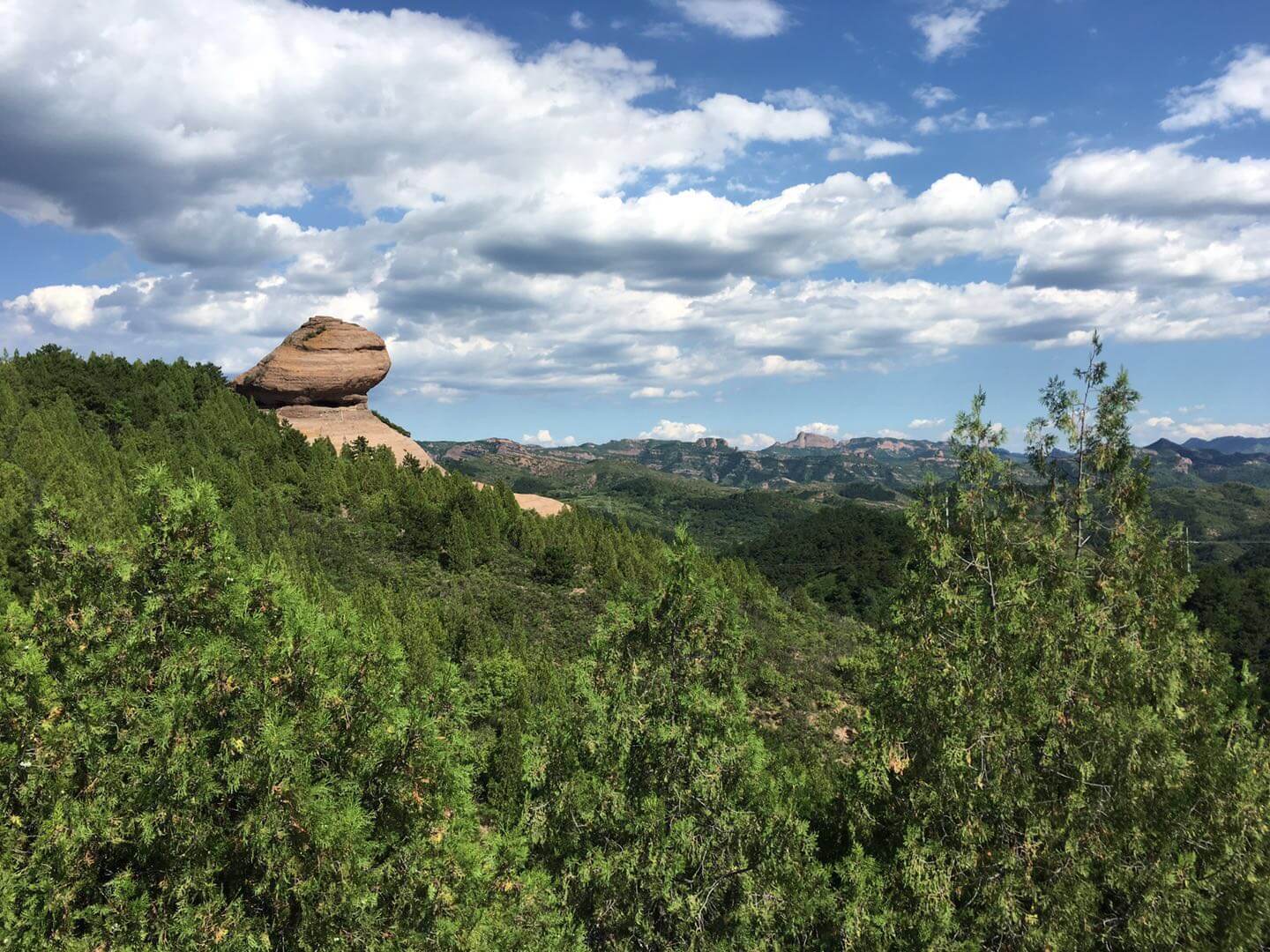
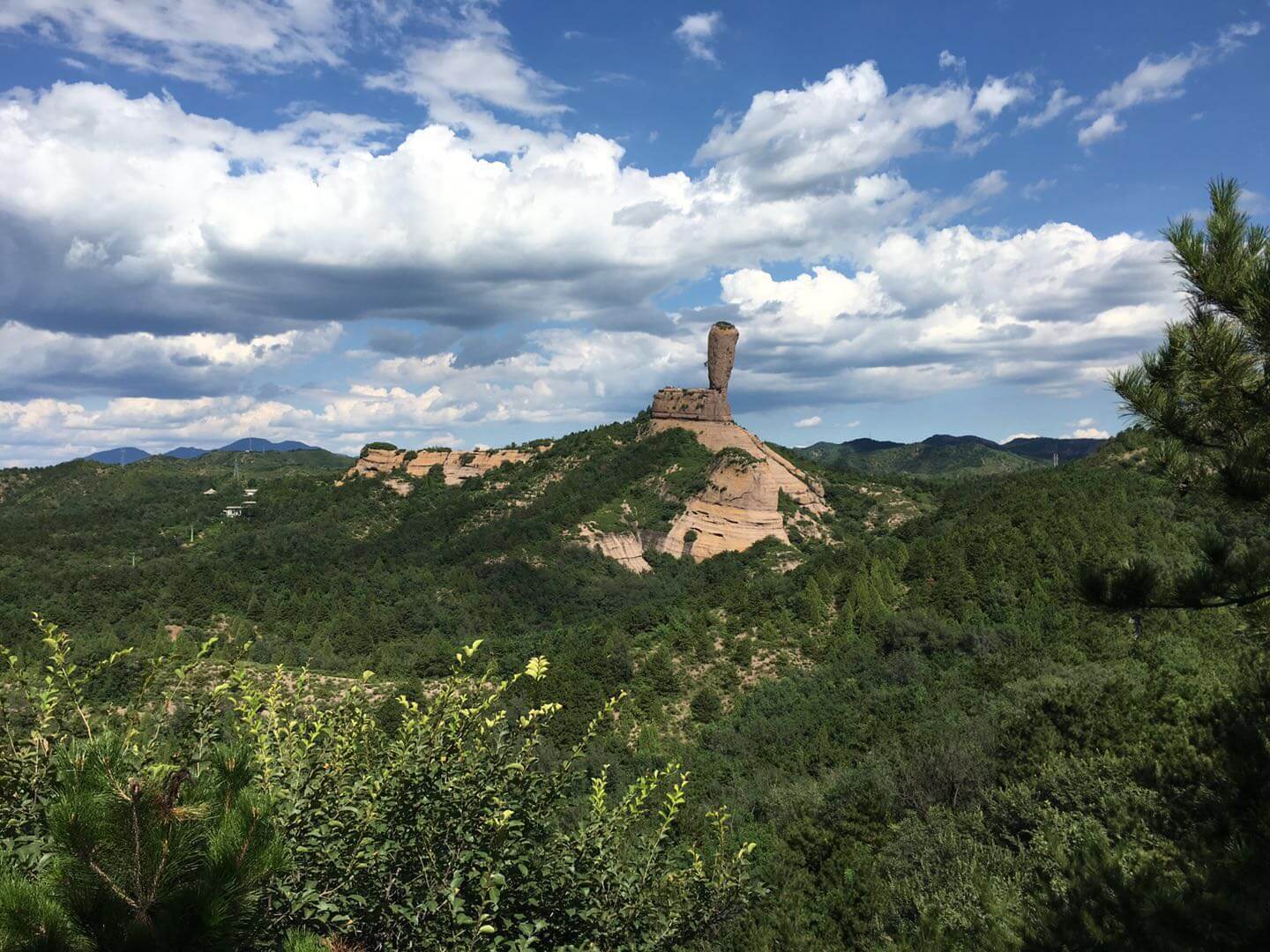
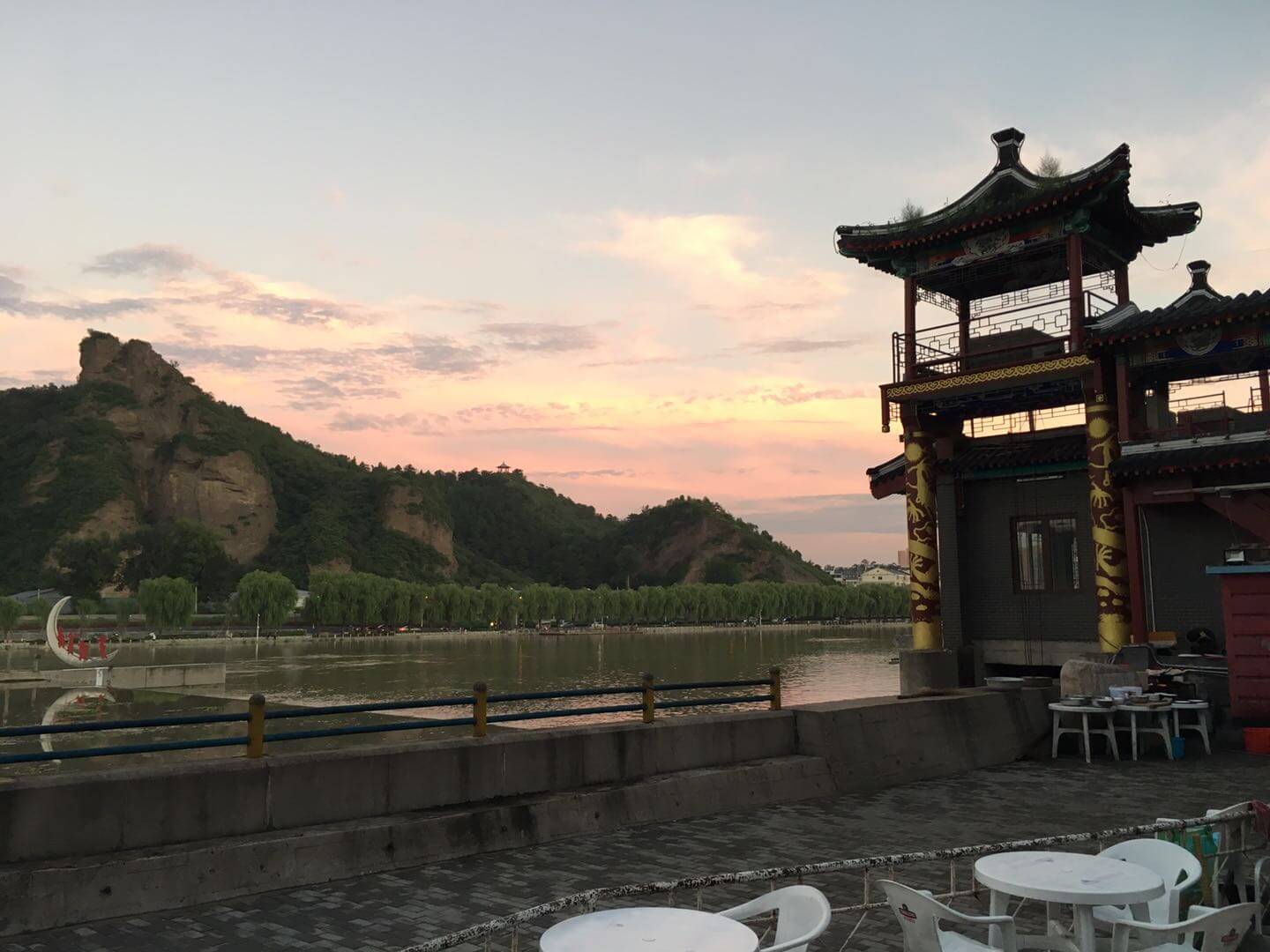
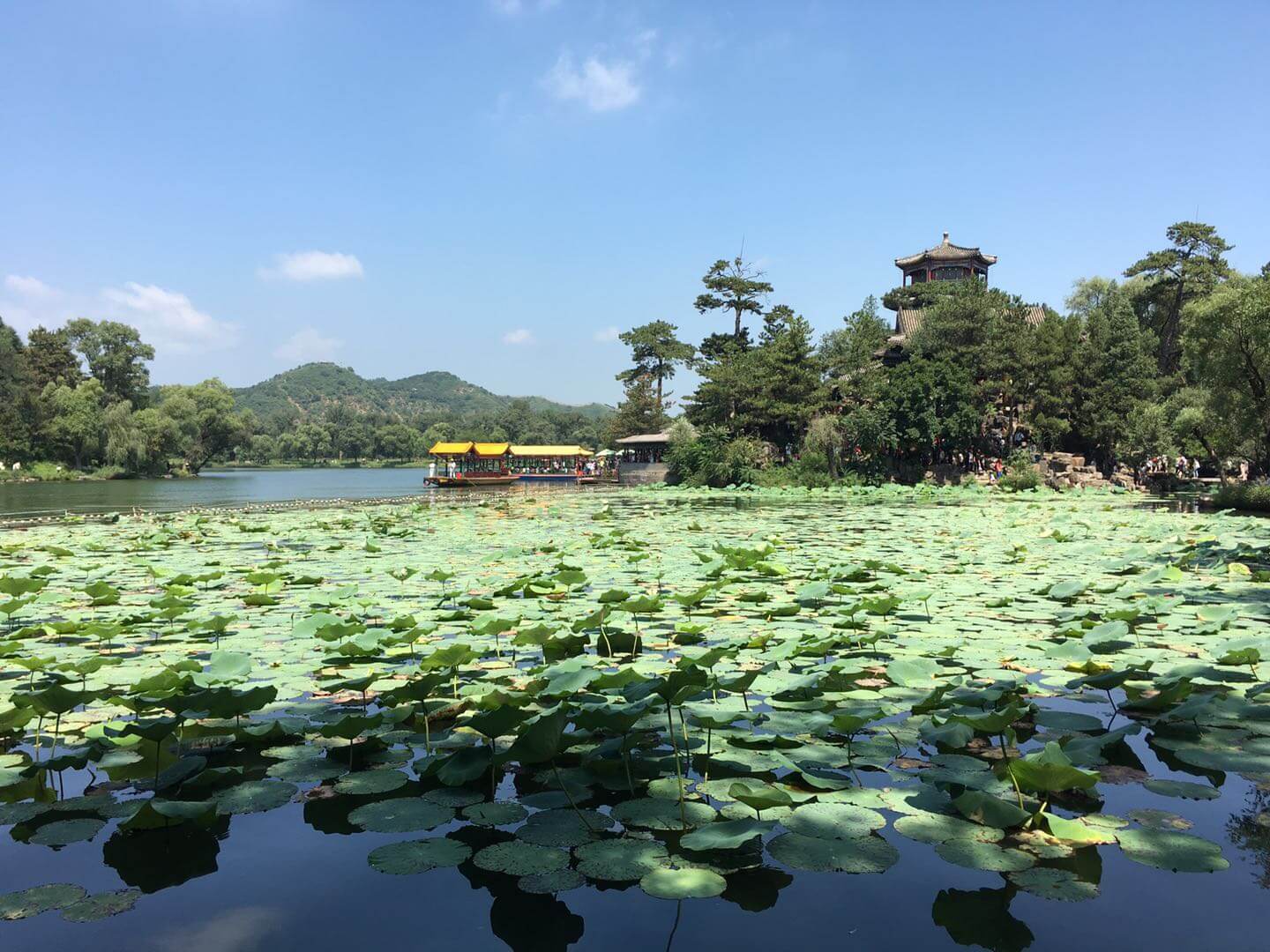
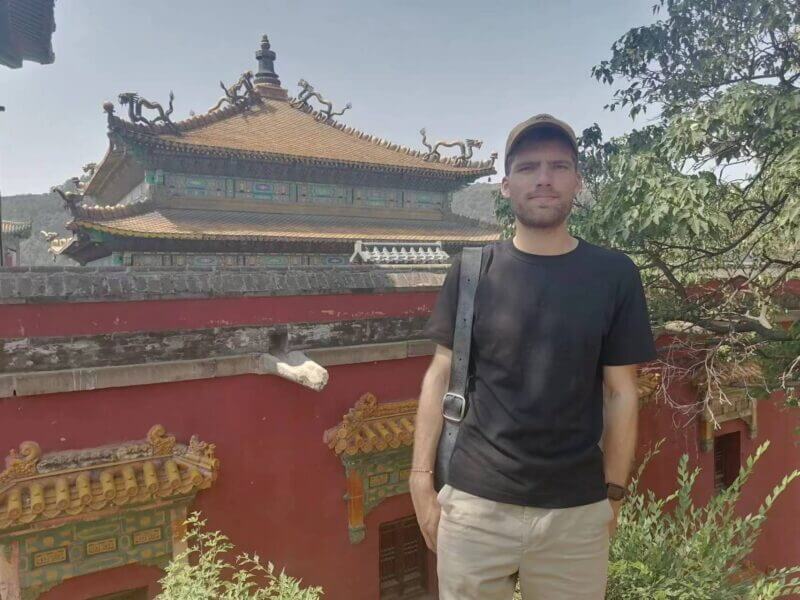
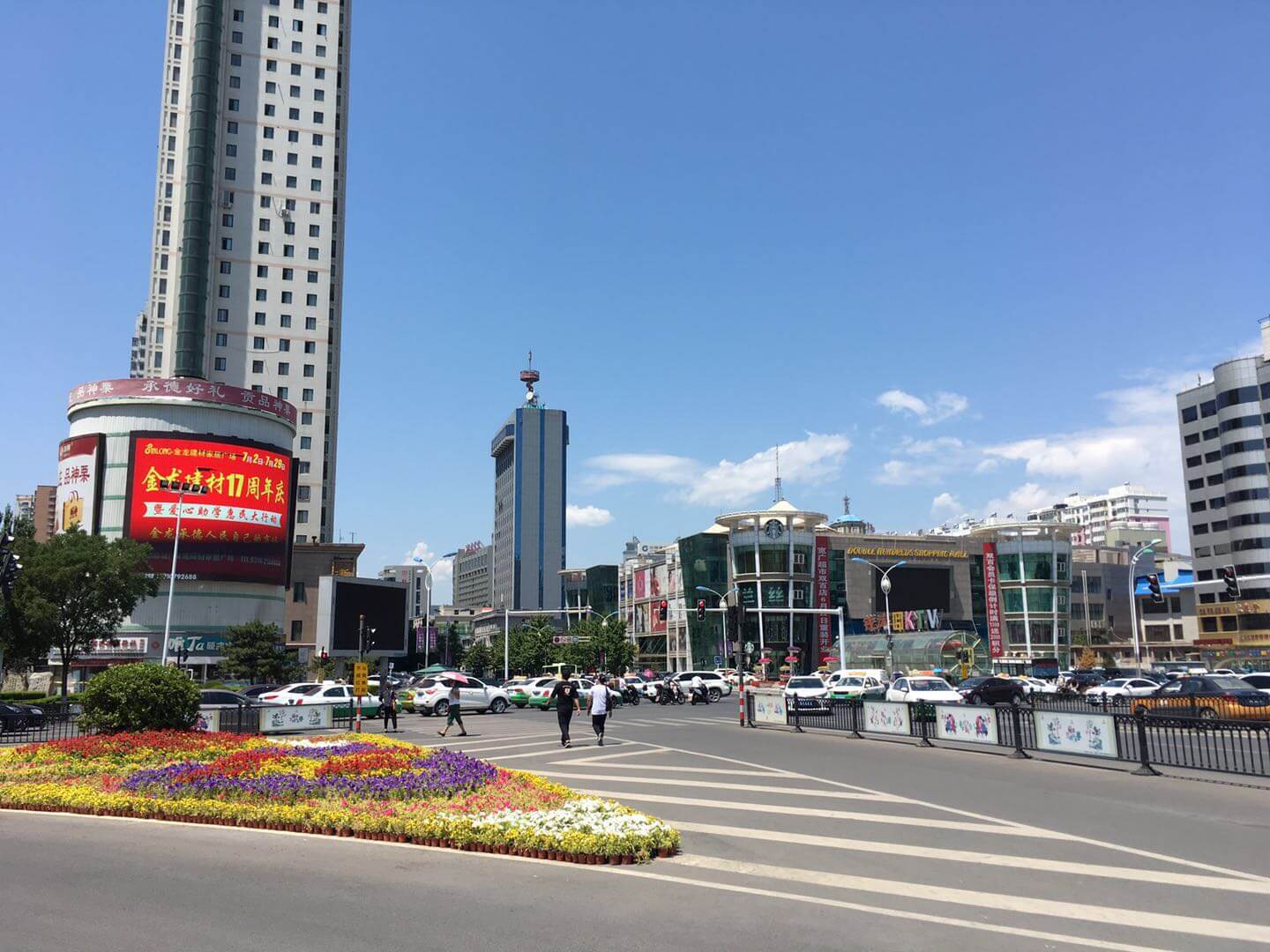
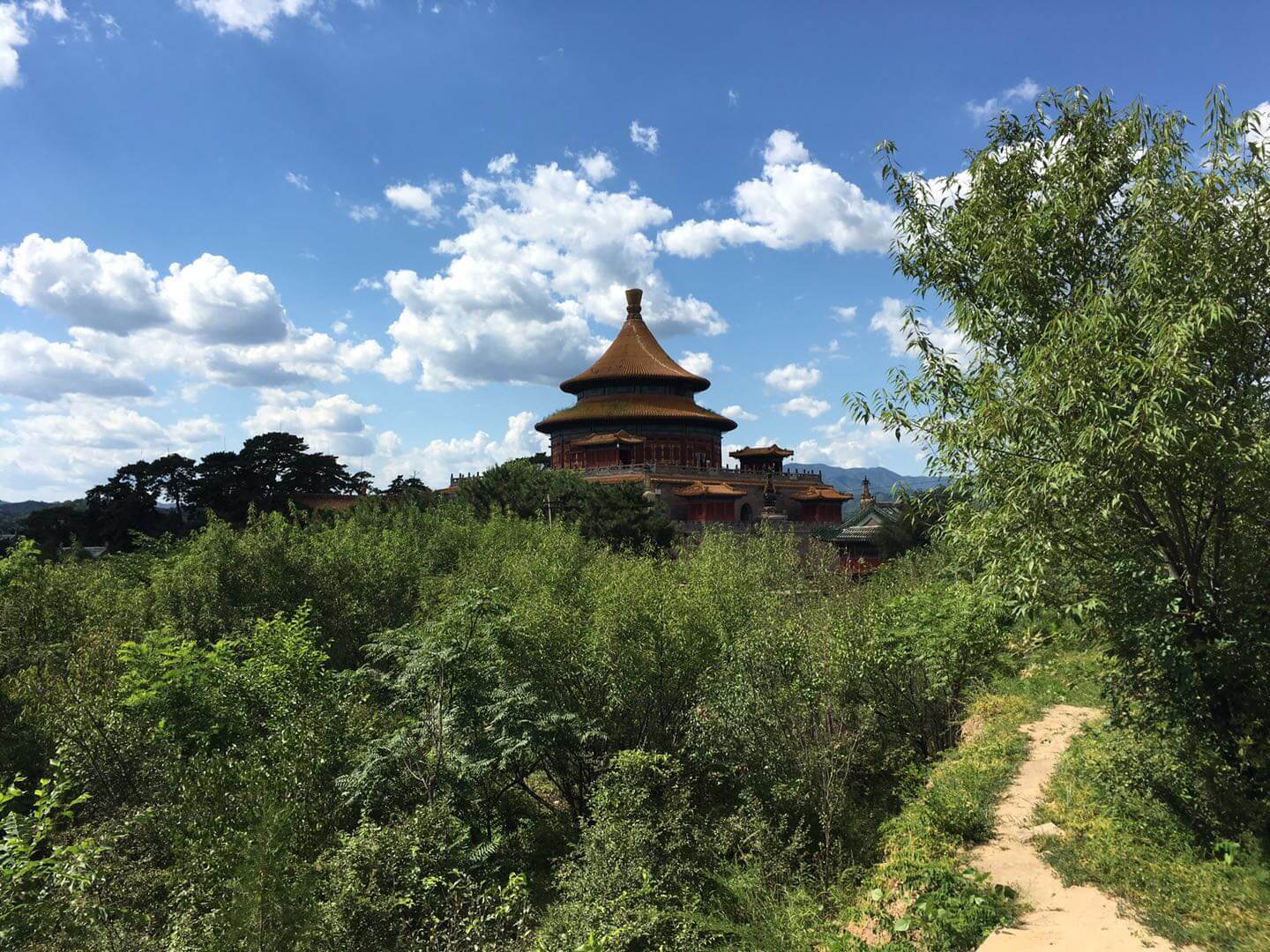
Other Pictures from Chengde
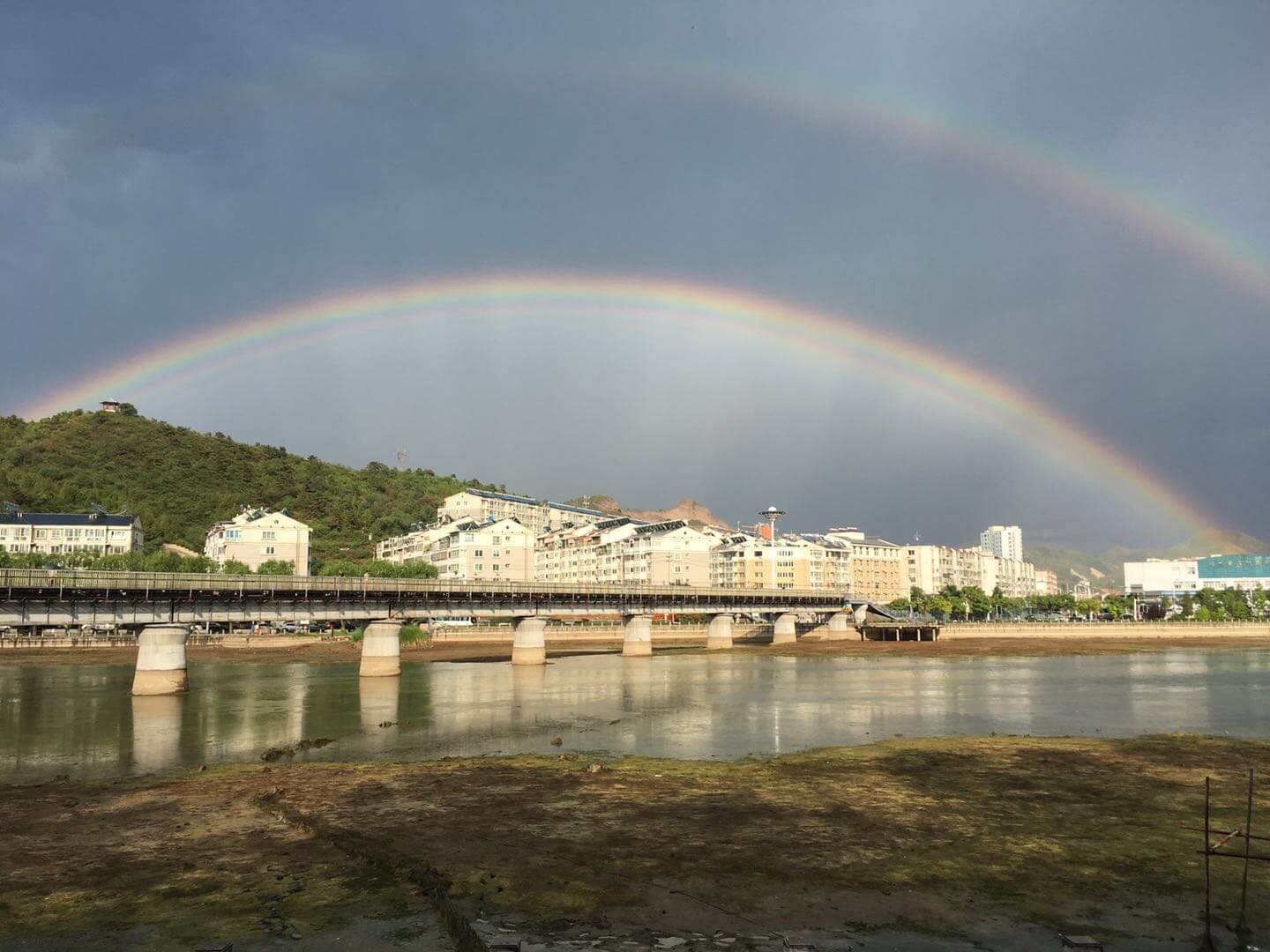
Sometimes when students speak to us about going to Chengde they worry that it has got nothing on Beijing or Shanghai.
Whilst the city cannot compare in terms of size or stature, it’s a far cry from being a place with nothing to do.
Let’s provide some more pictures from our previous students to show what can be done in Chengde.




Hidden Gems in Chengde || FAQs
Why is Chengde a good place to study Chinese?
Chengde is the birthplace of Mandarin, there is no clearer form of Mandarin than in Chengde.
No foreigners are found in Chengde so you are forced to speak Mandarin 24/7. Therein lies the secret.
Where is Chengde?
Chengde is based in Hebei province, roughly 3 hours drive north of Beijing.
How big is Chengde?
In terms of Chinese cities, not big, but Chengde still boasts well over half a million residents.
Being the 143rd most populous country in China, Chengde regarded as a smaller city in China.
Is there much hiking in Chengde?
Yes, Chengde is home to a large number of spots which are great for hiking, the most famous being 避暑山庄 (Chengde Mountain Resort).
Is Chengde cheap to visit?
Prices in Chengde, and the general cost of living is low as it is one of China’s smaller cities.
You would be able to get by very cheaply day to day.
Is Chengde worth visiting?
Yes, especially if you want to see a side of China that most tourists never reach.
Chengde holds two UNESCO World Heritage Sites, the Imperial Mountain Resort and the Eight Outer Temples, in a compact, walkable city with almost no foreign tourist crowds.
The combination of Qing imperial history, diverse architecture, and mountain scenery makes it genuinely worth the trip.
How many days should I spend in Chengde?
Two days is the sweet spot. Day one covers Bishu Shanzhuang and the main temples; day two allows for a quieter hike or a more relaxed revisit.
A day trip from Beijing is possible but rushed. If you are studying with LTL, you will want longer.
What is there to do in Chengde?
The main draws are Bishu Shanzhuang (the Imperial Mountain Resort), the Eight Outer Temples including Puning Temple and Putuo Zongcheng Temple, scenic hiking areas like Sēng guān fēng (僧冠峰), and the surrounding mountains.
There is also excellent street food and a genuinely local city atmosphere that is rare in well-touristed China.
Is Chengde in Beijing?
No. Chengde is a separate city in Hebei province, around 250 km northeast of Beijing. It takes roughly 2 hours by high-speed train. The names look similar in English but they are entirely different places.
How long does it take to get to Chengde from Beijing?
By high-speed train, around 2 hours.
Slower rail services take 3.5 to 4 hours. Long-distance buses from Sanlitun or Wangjing take around 3.5 hours.
Is $1,000 enough for a week in Chengde?
More than enough. Chengde is inexpensive by Chinese standards.
Budget accommodation runs from 100 to 200 CNY per night, meals from 20 to 50 CNY, and entrance fees for the main sites total around 300 to 400 CNY for the week. On $1000 USD you will be very comfortable.




8 comments
Went to Chengde in 2015 with you guys, miss it!
Oh we remember well Quinn, come back soon!
I absolutely loved Chengde for the weekend I stayed there!
We are so glad Hollie - it's a hidden gem!
Chengde was amazing when I went!
It is indeed a great place to visit Val - a fine choice!
Great guide, very keen to try this immersion programme
You'll be welcomed with open arms Silas!